A Form of Godliness

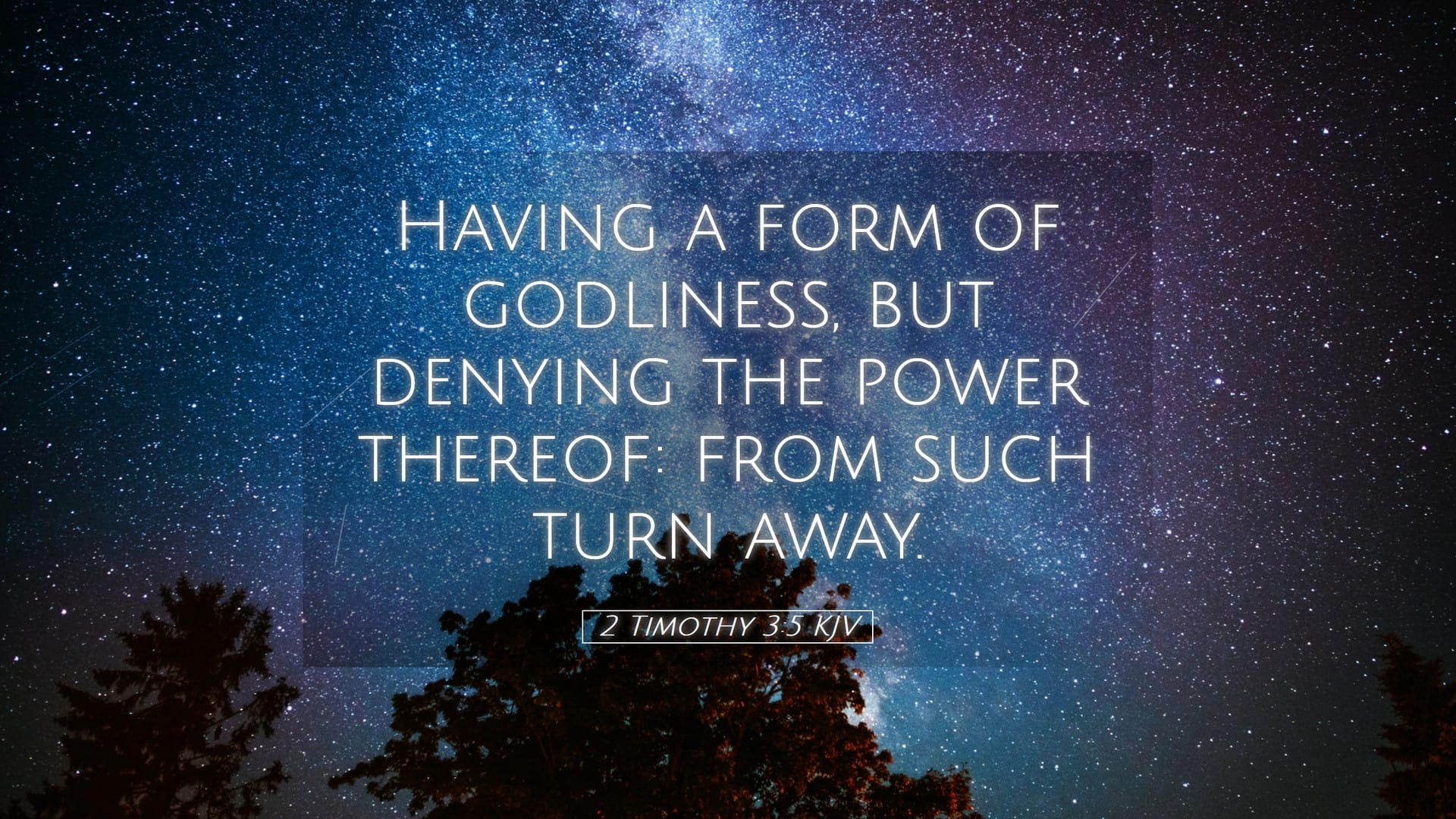
2 Timothy 3:5 KJV
“Having a form of godliness, but denying the power thereof: from such turn away.”
What Does “A Form of Godliness” Mean?
A form of godliness is the outward appearance of faith without the inward life and transforming power of God.
The word “form” points to an outward shape, appearance, or pattern. A person may look religious, speak religiously, participate in church activity, know biblical language, and appear morally respectable while remaining unchanged within.
This is one of the most dangerous forms of deception because it looks like Christianity.
It may have:
- Religious language
- Church involvement
- Knowledge of Scripture
- Public morality
- Outward worship
- Spiritual appearance
- Religious traditions
- Public acts of service
But beneath the appearance, there may be:
- No repentance
- No transformation
- No obedience
- No surrender
- No love for truth
- No victory over sin
- No genuine relationship with Jesus Christ
A form of godliness imitates the appearance of faith while denying its power.
What Is the Power of Godliness?
The power of godliness is not merely emotional excitement, public displays, religious influence, or supernatural claims.
The power of godliness is seen in a life transformed by Jesus Christ.
It produces:
- Repentance from sin
- A new heart
- Obedience to God
- Love for truth
- Spiritual fruit
- Humility
- Holiness
- Faithfulness
- Self-denial
- Perseverance
- Love for God and others
The gospel does not merely change a person’s vocabulary. It changes the direction of the life.
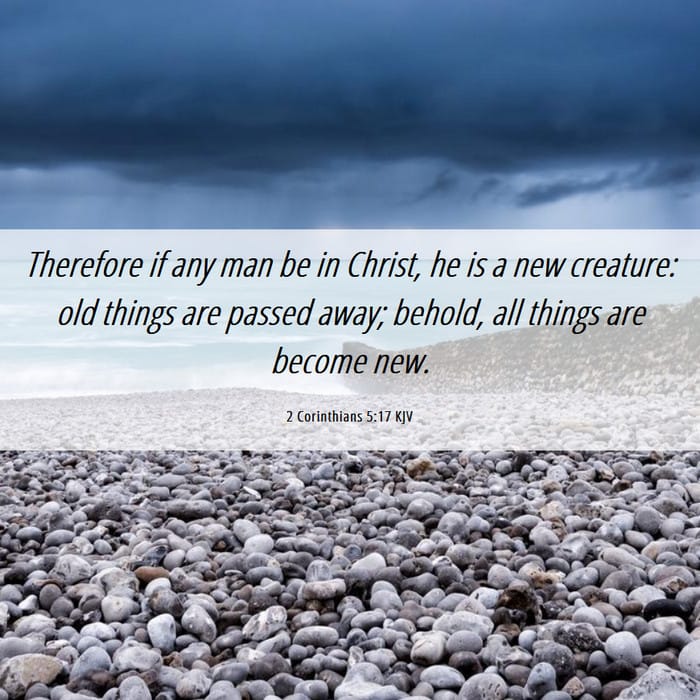
2 Corinthians 5:17 KJV
“Therefore if any man be in Christ, he is a new creature: old things are passed away; behold, all things are become new.”
This does not mean a Christian becomes perfect immediately. Believers still grow, struggle, repent, and mature. But genuine faith produces spiritual life and an ongoing work of transformation.
A form of godliness has appearance without this inward reality.
Why Religious Deception Is So Dangerous
Open unbelief is often easier to recognize than false religion.
A person who rejects Christianity openly is not pretending to follow Christ. But religious deception can use the name of God, quote Scripture, attend worship, and appear spiritually mature.
That is what makes it difficult to identify.
Jesus repeatedly warned about outward religion without inward truth.
Matthew 23:27-28 KJV
“Woe unto you, scribes and Pharisees, hypocrites! for ye are like unto whited sepulchres, which indeed appear beautiful outward, but are within full of dead men's bones, and of all uncleanness.”
“Even so ye also outwardly appear righteous unto men, but within ye are full of hypocrisy and iniquity.”
Religious appearance can impress people, but it cannot deceive God.
👉 God sees the heart.
This Article Is Not About Attacking People
This article is not written to name individuals, target churches, criticize denominations, or judge every person who struggles spiritually.
The focus is on a biblical pattern of deception.
The purpose is to help believers examine teachings, religious systems, and their own hearts in the light of Scripture.
This subject should not only make us look at others. It should cause us to ask:
- Is my faith genuine?
- Has the gospel changed my heart?
- Am I obeying what I know?
- Do I worship God only outwardly?
- Do I appear spiritual while hiding rebellion?
- Do I know Scripture without submitting to it?
- Am I trusting religious activity instead of Christ?
The greatest danger is not simply seeing a form of godliness in someone else. It is having a form of godliness ourselves without realizing it.
Sign 1: Religious Language Without Repentance
A person may know how to speak like a Christian without truly turning from sin.
They may use words such as:
- Blessing
- Grace
- Faith
- Anointing
- Purpose
- Calling
- Kingdom
- Worship
- Salvation
- Jesus
But religious vocabulary is not proof of spiritual life.
Jesus warned that calling Him “Lord” is not enough if a person refuses to do the will of God.
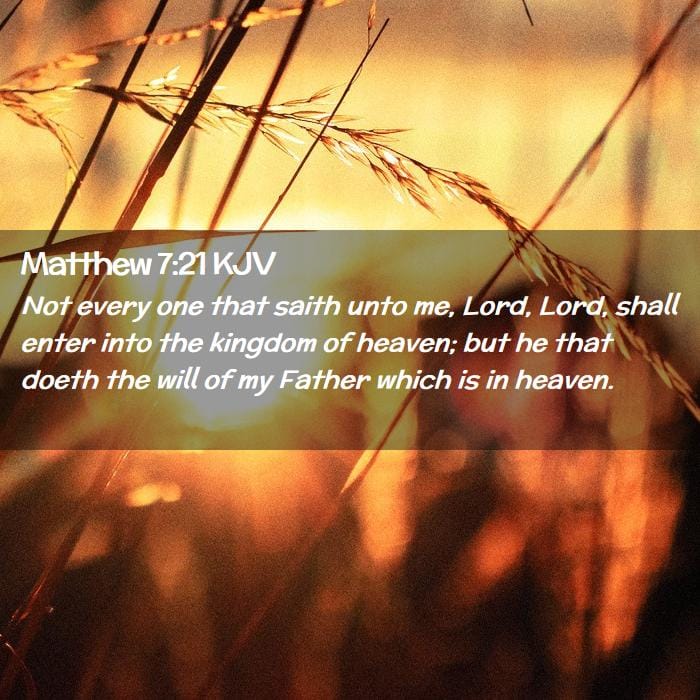
Matthew 7:21 KJV
“Not every one that saith unto me, Lord, Lord, shall enter into the kingdom of heaven; but he that doeth the will of my Father which is in heaven.”
A form of godliness may speak about God while resisting repentance.
It may sound spiritual but avoid confession of sin, obedience, surrender, and the fear of the Lord.
Words matter, but the life must agree with the confession.
Sign 2: Church Activity Without Transformation
Church involvement can be good, but religious activity cannot replace spiritual transformation.
A person may:
- Attend services
- Sing in worship
- Serve in ministry
- Give financially
- Volunteer regularly
- Participate in Bible studies
- Hold a leadership position
- Be known as a "religious" person
Yet none of these activities automatically prove that the heart belongs to Christ.
Religious activity becomes deceptive when it is used to hide an unchanged heart.
💡 A person may become busy "doing things" for God while neglecting to walk with God.
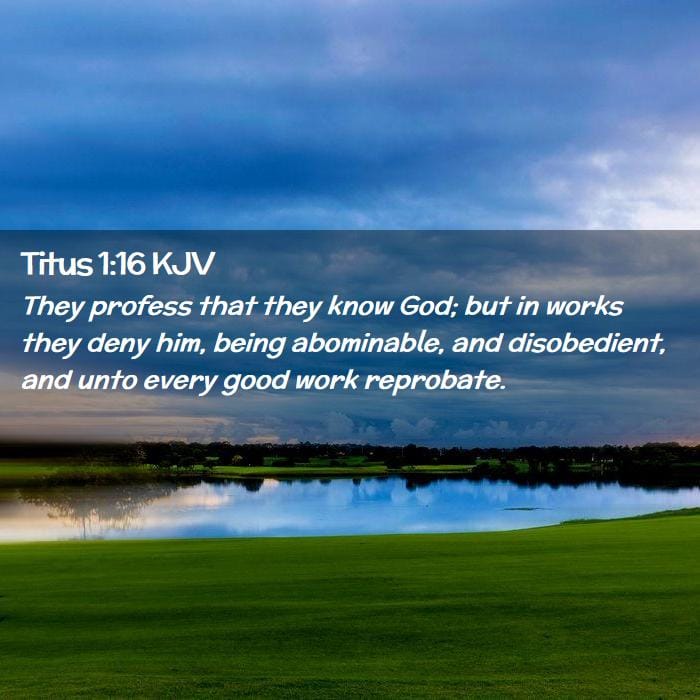
Titus 1:16 KJV
“They profess that they know God; but in works they deny him, being abominable, and disobedient, and unto every good work reprobate.”
The question is not only, “What religious activities do I perform?”
The deeper question is, “Is Jesus Christ transforming my heart, character, choices, and private life?”
Sign 3: Public Morality With Private Rebellion
A form of godliness often maintains a respectable public image while hiding private sin.
A person may appear moral before others but live differently when no one is watching.
Private rebellion may include:
- Secret immorality
- Dishonesty
- Pride
- Bitterness
- Unforgiveness
- Greed
- Lust
- Manipulation
- Addiction
- Hidden compromise
- Abuse of authority
Public reputation is not the same as inward holiness.
Psalm 44:21 KJV
“Shall not God search this out? for he knoweth the secrets of the heart.”
👉 God sees what people cannot see.
Religious deception focuses on managing appearances. Genuine godliness brings the hidden life before God.
A person with true faith may still fall and struggle, but they do not desire to protect sin indefinitely. They confess it, forsake it, and seek the mercy and transforming grace of God.
Sign 4: Knowledge of Scripture Without Obedience
Knowing the Bible is important, but knowledge without obedience can become another form of deception.
A person may know verses, doctrines, theological terms, biblical history, and religious arguments while refusing to obey clear Scripture.
James 1:22 KJV
“But be ye doers of the word, and not hearers only, deceiving your own selves.”
Notice the warning: hearers who do not obey deceive themselves.
Biblical knowledge should produce:
- Humility
- Repentance
- Obedience
- Worship
- Love
- Wisdom
- Holiness
- Faithfulness
But knowledge can become a source of pride when it is separated from obedience.
A person may know much about God without truly knowing God.
They may be able to explain truth while refusing to live by it.
A form of godliness collects information. Genuine godliness submits to truth.
Sign 5: Spiritual Appearance Without Surrender
Some people work hard to appear spiritual.
They may sound deeply religious, speak confidently about spiritual matters, display emotional intensity, or present themselves as especially gifted or enlightened.
But spiritual appearance is not the same as surrender.
A surrendered life says:
- “Not my will, but thine.”
- “Lord, correct me.”
- “Lord, search my heart.”
- “Lord, help me obey.”
- “Lord, remove what does not please You.”
- “Lord, You are the authority over my life.”
A form of godliness wants the appearance of spirituality without the cost of self-denial.
Luke 9:23 KJV
“And he said to them all, If any man will come after me, let him deny himself, and take up his cross daily, and follow me.”
True discipleship includes surrender.
A Christianity without surrender may keep the form while denying the power.
Sign 6: Outward Worship With a Heart Far From God
A person may worship outwardly while the heart remains far from God.
They may sing, raise their hands, pray publicly, or display strong emotion. But worship is not measured only by outward expression.
Jesus quoted Isaiah concerning people whose lips honored God while their hearts remained distant.
Matthew 15:8 KJV
“This people draweth nigh unto me with their mouth, and honoureth me with their lips; but their heart is far from me.”
True worship involves more than words or music. It includes reverence, obedience, surrender, love, and truth.
Outward worship becomes empty when the life refuses to submit to God.
A person cannot honor God fully with the lips while continually rejecting Him with the life.
Sign 7: Religion Without a Changed Heart
The central problem with a form of godliness is that it changes the outside without transforming the heart.
Religion can modify behavior temporarily. It can teach a person how to appear respectable, speak correctly, and follow traditions.
But only God can give a new heart.
Ezekiel 36:26 KJV
“A new heart also will I give you, and a new spirit will I put within you: and I will take away the stony heart out of your flesh, and I will give you an heart of flesh.”

Christianity is not merely self-improvement. It is spiritual regeneration.
A changed heart begins to desire what pleases God. It becomes sensitive to sin, open to correction, hungry for truth, and willing to obey.
The evidence may grow over time, but there should be life.
A form of godliness teaches a person how to look alive.
The power of God makes the person alive.
Sign 8: Appearance Becomes More Important Than Truth
Religious deception often becomes obsessed with appearances.
The focus shifts to questions such as:
- What will people think?
- How do I appear?
- Is my reputation protected?
- Do others see me as spiritual?
- Can I hide this weakness?
- Can I maintain my position?
- Can I avoid embarrassment?
This creates hypocrisy.
Instead of confessing sin, the person hides it.
Instead of seeking healing, the person protects an image.
Instead of receiving correction, the person defends a reputation.
Instead of fearing God, the person fears people.
Proverbs 29:25 KJV
“The fear of man bringeth a snare: but whoso putteth his trust in the LORD shall be safe.”
When appearance becomes more important than truth, religious deception grows.
God does not call believers to protect an image. He calls them to walk in truth.
Sign 9: Religious Tradition Replaces the Word of God
Traditions can be meaningful, but tradition becomes dangerous when it replaces or contradicts Scripture.
A form of godliness may place great importance on religious customs while neglecting the commands of God.
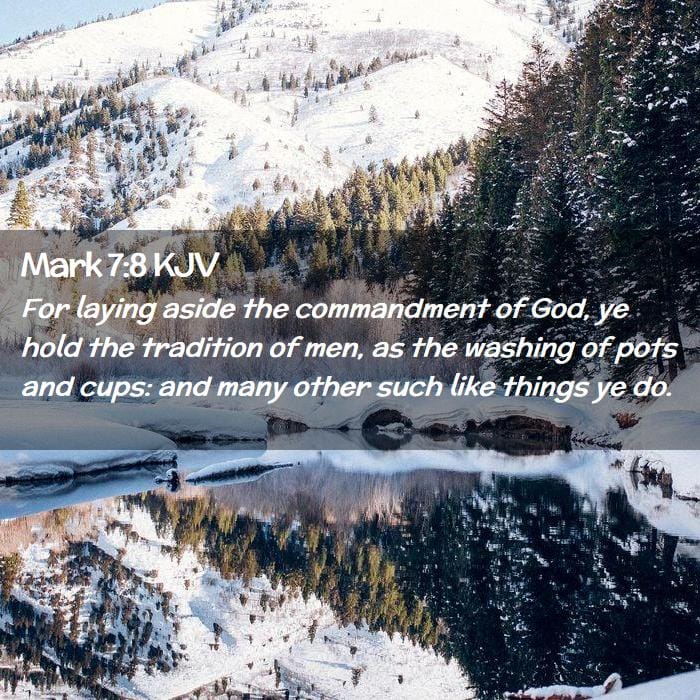
Mark 7:8 KJV
“For laying aside the commandment of God, ye hold the tradition of men, as the washing of pots and cups: and many other such like things ye do.”
Tradition should never become the final authority.
Believers should test every tradition by asking:
- Is this taught in Scripture?
- Does this agree with the gospel?
- Does this help people obey God?
- Has this become more important than truth?
- Are people trusting the tradition instead of Christ?
- Is this tradition being used to control others?
A religious practice may look godly and still lead people away from the simplicity and authority of Scripture.
Sign 10: Religious Power Without Spiritual Fruit
Some people associate power only with signs, influence, large crowds, strong personalities, or supernatural claims.
But the power of godliness is also revealed through spiritual fruit.
Galatians 5:22-23 KJV
“But the fruit of the Spirit is love, joy, peace, longsuffering, gentleness, goodness, faith,”
“Meekness, temperance: against such there is no law.”
A ministry may look powerful outwardly while lacking:
- Love
- Humility
- Integrity
- Self-control
- Patience
- Gentleness
- Faithfulness
- Truthfulness
👉 Spiritual fruit matters.
Gifts may attract attention, but character reveals the condition of the heart.
A form of godliness may display power publicly while denying the transforming work of God privately.
Sign 11: Religion Is Used to Avoid Repentance
Religious activity can become a substitute for repentance.
💡 A person may respond to conviction by doing more religious work instead of confessing sin.
They may:
- Attend more services
- Give more money
- Serve more often
- Pray longer publicly
- Talk more about God
- Study more religious material
These things can be good, but they cannot replace repentance.
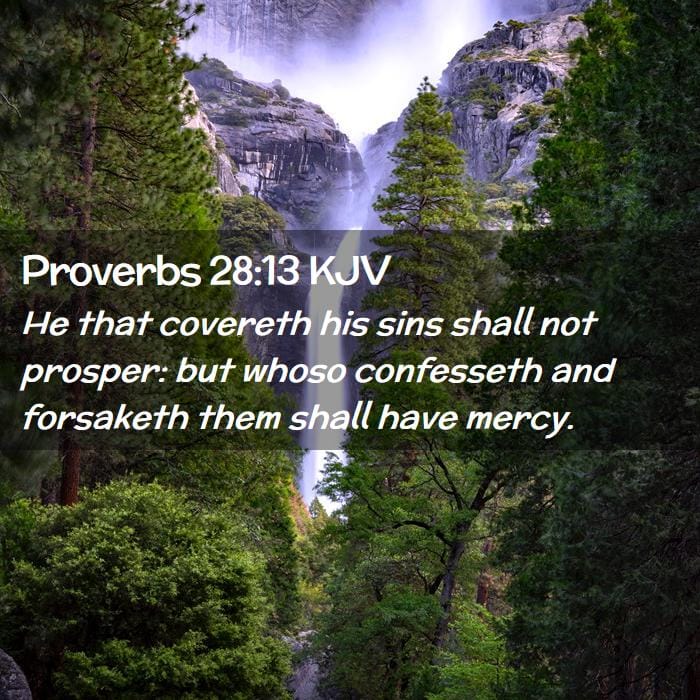
Proverbs 28:13 KJV
“He that covereth his sins shall not prosper: but whoso confesseth and forsaketh them shall have mercy.”
God is not asking people to hide sin beneath religious activity.
He calls them to confess and forsake it.
A form of godliness covers. Genuine godliness repents.
Sign 12: The Faith Is External but Not Personal
A person may inherit religion from family, culture, or tradition without personally knowing Jesus Christ.
They may identify as Christian because:
- Their parents were Christians
- They grew up in church
- They were baptized
- Their community is religious
- They know Christian customs
- They celebrate Christian holidays
- They agree with Christian values
But Christianity is not merely a cultural identity.
Every person must personally come to Jesus Christ in repentance and faith.
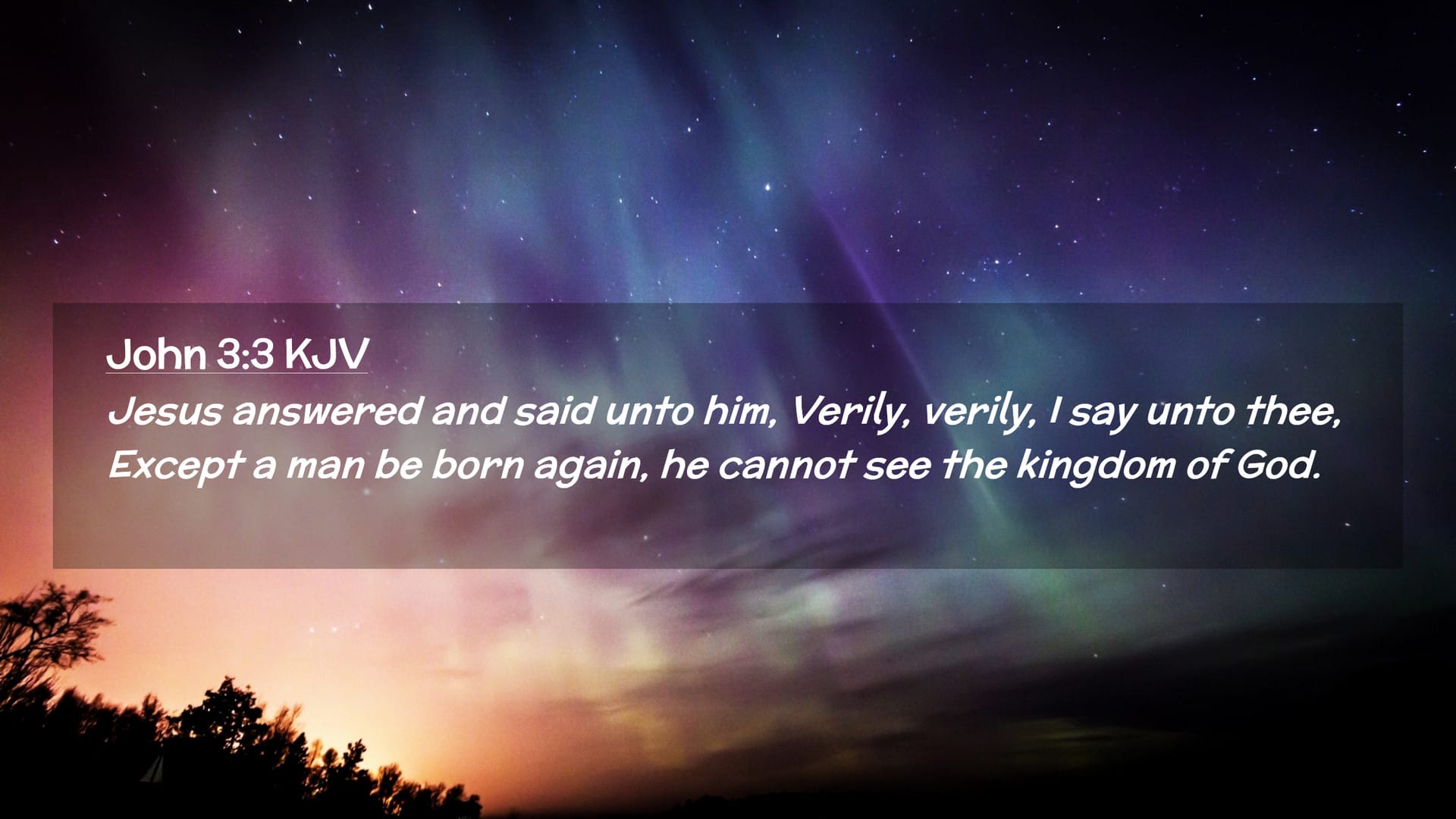
John 3:3 KJV
“Jesus answered and said unto him, Verily, verily, I say unto thee, Except a man be born again, he cannot see the kingdom of God.”
Religious upbringing can be a blessing, but it cannot replace the new birth.
A form of godliness may be inherited outwardly. Spiritual life must come from God.
Why Paul Says, “From Such Turn Away”
Second Timothy 3:5 ends with a serious instruction:
“From such turn away.”
This does not mean believers should respond with hatred, cruelty, or self-righteousness. It means they should not accept, follow, or participate in religious hypocrisy that denies the transforming power of God.
Christians should be careful about teachings and influences that:
- Normalize hypocrisy
- Excuse hidden sin
- Replace repentance with appearance
- Value reputation above character
- Use religion for power or control
- Teach outward conformity without inward transformation
- Deny the necessity of spiritual fruit
- Reduce Christianity to tradition or performance
Believers should love people, pray for people, and speak truth with humility. But they should not follow a pattern of religion that has appearance without spiritual life.
How to Examine Your Own Heart
This subject should lead to honest self-examination.
Ask:
- Do I have religious language without repentance?
- Am I active in church but unchanged in character?
- Is my private life different from my public image?
- Do I know Scripture without obeying it?
- Do I appear spiritual while resisting surrender?
- Do I worship outwardly while my heart is far from God?
- Am I more concerned with reputation than truth?
- Do I hide sin beneath religious activity?
- Am I trusting tradition instead of Christ?
- Is the fruit of the Spirit growing in my life?
- Have I truly been born again?
These questions should not lead to despair. They should lead to honesty, repentance, and faith in Jesus Christ.
Genuine Godliness Is Not Perfection
It is important to understand that genuine godliness does not mean sinless perfection.
True believers might still struggle. They may fail, become discouraged, misunderstand things, and need correction.
The difference is not that genuine Christians never fall.
The difference is how they respond.
A genuine believer:
- Feels conviction
- Confesses sin
- Seeks forgiveness
- Desires change
- Receives correction
- Returns to Scripture
- Depends on God’s grace
- Continues growing
A form of godliness protects the image.
Genuine godliness brings the heart into the light.
How Believers Can Avoid Empty Religion
Believers can guard against a form of godliness by remaining close to Jesus Christ and honest before God.
They should:
- Examine themselves regularly
- Confess sin quickly
- Seek inward transformation, not only outward appearance
- Obey Scripture
- Remain humble and teachable
- Refuse hypocrisy
- Value character above reputation
- Stay accountable to faithful believers
- Ask God to search the heart
- Depend on the Holy Spirit
- Keep the gospel central
- Seek genuine spiritual fruit
Psalm 139:23-24 KJV
“Search me, O God, and know my heart: try me, and know my thoughts:”
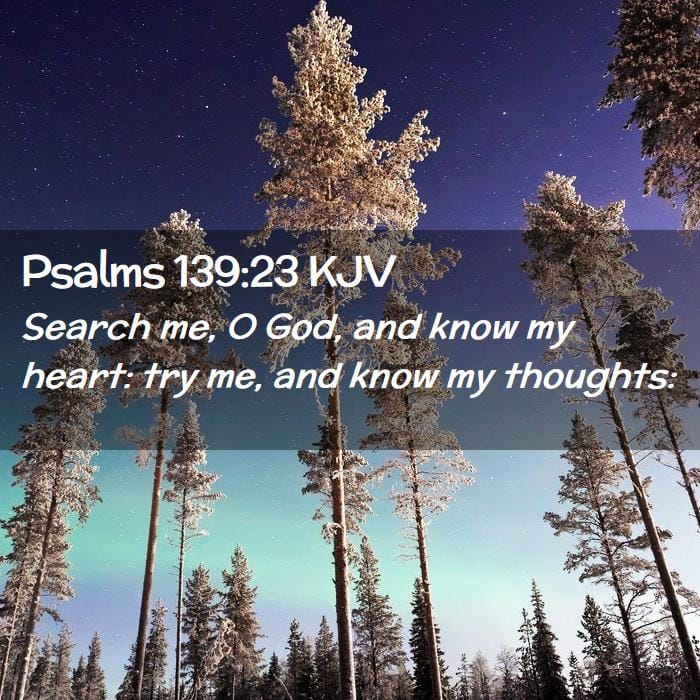
“And see if there be any wicked way in me, and lead me in the way everlasting.”

💡 This should be the prayer of every believer.
Conclusion: Do Not Settle for the Appearance of Faith
2 Timothy 3:5 KJV says:
“Having a form of godliness, but denying the power thereof: from such turn away.”
A form of godliness is one of the most dangerous types of deception because it looks religious.
It may have Christian language without repentance.
Church activity without transformation.
Public morality with private rebellion.
Knowledge of Scripture without obedience.
Spiritual appearance without surrender.
Outward worship with a heart far from God.
But God is not looking only at outward appearance.
He sees the heart.
Christianity is not merely a religious identity, a moral image, a church routine, or knowledge about the Bible. It is new life in Jesus Christ.
Do not settle for the appearance of faith.
Do not use religion to hide sin.
Do not confuse activity with transformation.
Do not confuse knowledge with obedience.
Do not confuse reputation with character.
Do not honor God only with your lips while your heart remains far from Him.
Come honestly before God.
Repent where repentance is needed.
Submit to Scripture.
Seek the transforming power of the Holy Spirit.
Walk in truth.
Bear spiritual fruit.
And follow Jesus Christ with a sincere and surrendered heart.
Godliness is more than a form.
It is a life transformed by the power of God 🙏