Praying to Saints: What Does the Bible Teach About Prayer?
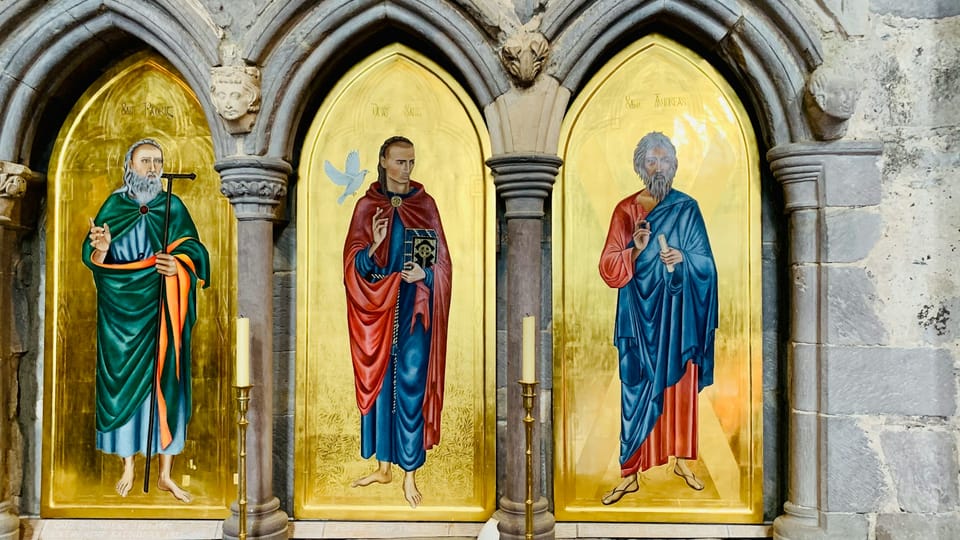
Many people have been taught to pray to saints, ask saints for help, or seek the intercession of departed believers. But when we search the Scriptures, we do not find Jesus teaching His followers to pray to saints.
💡 We do not find the apostles commanding believers to pray to departed Christians. Instead, the Bible consistently points prayer toward God.
This article is not written to attack people, churches, or traditions. The purpose is to ask a simple question:
What does the Bible teach about prayer?
Jesus Taught Us to Pray to the Father
When Jesus taught His disciples to pray, He did not tell them to address saints, angels, or departed believers.
Matthew 6:9 KJV says:
“After this manner therefore pray ye: Our Father which art in heaven, Hallowed be thy name.”
💡 Jesus directed prayer to the Father.
This is very important. If praying to saints were meant to be part of Christian prayer, we would expect Jesus to teach it clearly. But the pattern He gave begins with “Our Father.”
The believer’s confidence is not that a saint will hear them. The believer’s confidence is that God hears His children.
Jesus Is the Mediator
The Bible also teaches that Jesus Christ is the mediator between God and men.
1 Timothy 2:5 KJV says:
“For there is one God, and one mediator between God and men, the man Christ Jesus;”
This verse is clear. There is one mediator between God and men: Jesus Christ.
A mediator is one who stands between. The believer does not need to approach God through departed saints. The believer comes to God through Jesus Christ.
John 14:6 KJV says:
“Jesus saith unto him, I am the way, the truth, and the life: no man cometh unto the Father, but by me.”

Jesus is not one path among many. He is the way to the Father.
We Come Boldly Through Christ
Because of Jesus Christ, believers can come directly to God.
Hebrews 4:16 KJV says:
“Let us therefore come boldly unto the throne of grace, that we may obtain mercy, and find grace to help in time of need.”

The Bible does not say to come timidly through saints. It says to come boldly unto the throne of grace.
This boldness is not based on our own worthiness. It is based on Jesus Christ, our High Priest.
👉 The believer does not need another spiritual mediator. Christ Himself is sufficient.
The Apostles Prayed to God
In the New Testament, we repeatedly see believers praying to God.
Acts 4:24 KJV says:
“And when they heard that, they lifted up their voice to God with one accord, and said, Lord, thou art God, which hast made heaven, and earth, and the sea, and all that in them is:”
The early believers lifted their voice to God.
They did not pray to Stephen after he died. They did not pray to Moses, Elijah, Mary, Peter, or any departed believer. Their prayers were directed to God.
Even when Stephen was being killed, Scripture says:
Acts 7:59 KJV says:
“And they stoned Stephen, calling upon God, and saying, Lord Jesus, receive my spirit.”

Stephen called upon the Lord Jesus. He did not call upon saints.
Asking Living Believers to Pray Is Different
Some people may ask, “Is it wrong to ask other Christians to pray for us?”
No. The Bible does teach believers to pray for one another.
James 5:16 KJV says:
“Confess your faults one to another, and pray one for another, that ye may be healed. The effectual fervent prayer of a righteous man availeth much.”
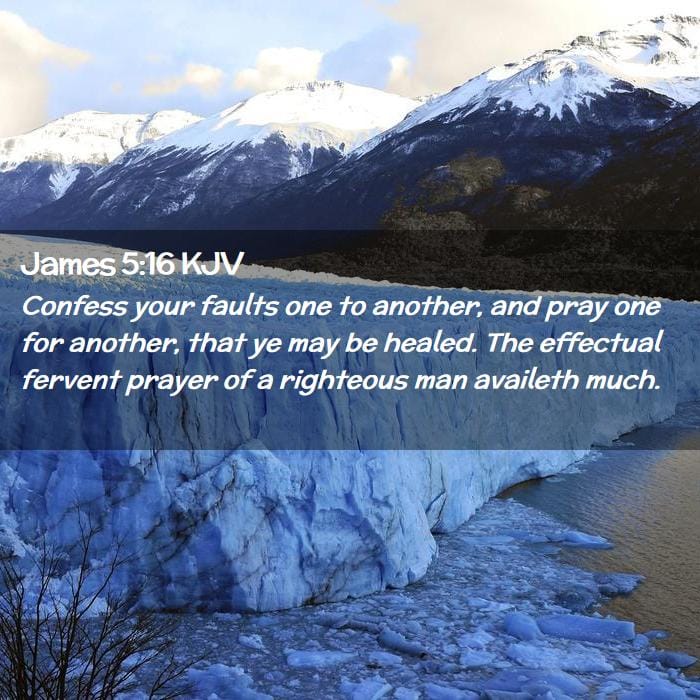
Asking a living brother or sister in Christ to pray is biblical.
But praying to departed saints is different. Scripture gives examples and commands for living believers praying for one another. It does not give commands or examples of Christians praying to dead saints.
There is a difference between:
- Asking a living believer to pray for you
- Praying to a departed saint
- Treating a saint as a heavenly mediator
- Seeking help from someone Scripture never tells us to address
The Bible gives us clear direction: pray to God.
Prayer Belongs to God
Prayer is an act of worship, dependence, trust, and faith. It should be directed to the Lord.
Psalm 65:2 KJV says:
“O thou that hearest prayer, unto thee shall all flesh come.”
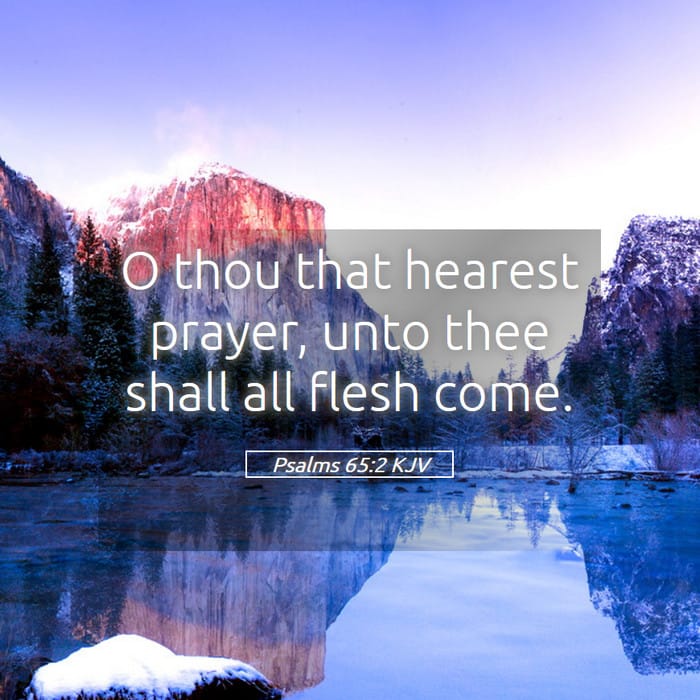
God is the hearer of prayer.
When believers are burdened, afraid, tempted, confused, weak, or in need, they are invited to call upon the Lord.
Psalm 50:15 KJV says:
“And call upon me in the day of trouble: I will deliver thee, and thou shalt glorify me.”

God says, “Call upon me.”
That is the biblical invitation.
Jesus Invites Believers to Ask in His Name
Jesus taught His disciples to ask the Father in His name.
John 16:23 KJV says:
“And in that day ye shall ask me nothing. Verily, verily, I say unto you, Whatsoever ye shall ask the Father in my name, he will give it you.”

The New Testament pattern is prayer to the Father in the name of Jesus Christ.
This does not mean using Jesus’ name as a magic phrase. It means coming to God through the authority, merit, and mediation of Christ.
No saint can replace that.
No departed believer can improve on the access Christ has already provided.
The Danger of Adding What Scripture Does Not Teach
Praying to saints becomes dangerous when tradition adds a practice that Scripture does not command.
A person may begin to trust spiritual figures instead of going directly to God through Christ.
This can create confusion about:
- Who hears prayer
- Who mediates between God and man
- Who deserves religious devotion
- Where the believer should place confidence
- Whether Christ alone is sufficient
The Bible warns against replacing the commandments of God with traditions of men.
Mark 7:8 KJV says:
“For laying aside the commandment of God, ye hold the tradition of men, as the washing of pots and cups: and many other such like things ye do.”
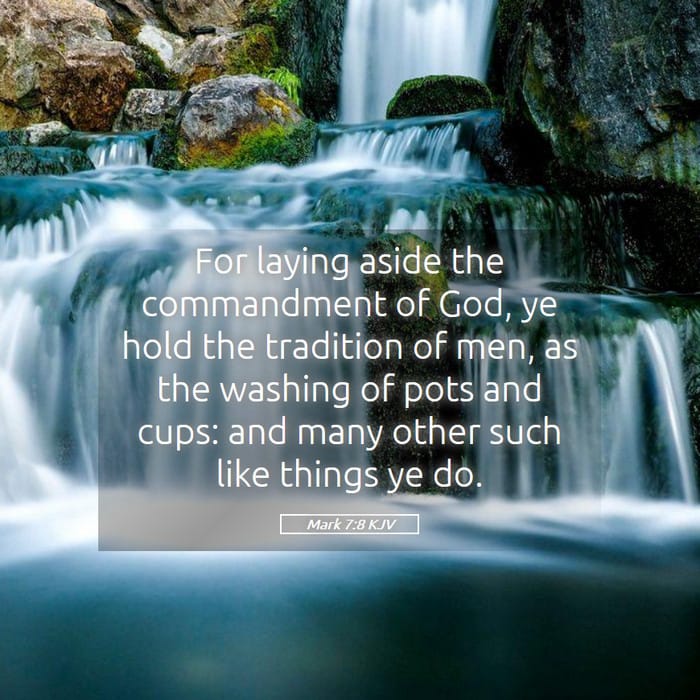
Tradition should never become more authoritative than Scripture.
Christ Is Sufficient
The heart of this issue is the sufficiency of Jesus Christ.
Believers do not need a saint to make God more willing to hear them. They do not need a departed believer to bring them closer to the Father. They do not need another mediator.
💡 Jesus Christ is enough.
Hebrews 7:25 KJV says:
“Wherefore he is able also to save them to the uttermost that come unto God by him, seeing he ever liveth to make intercession for them.”
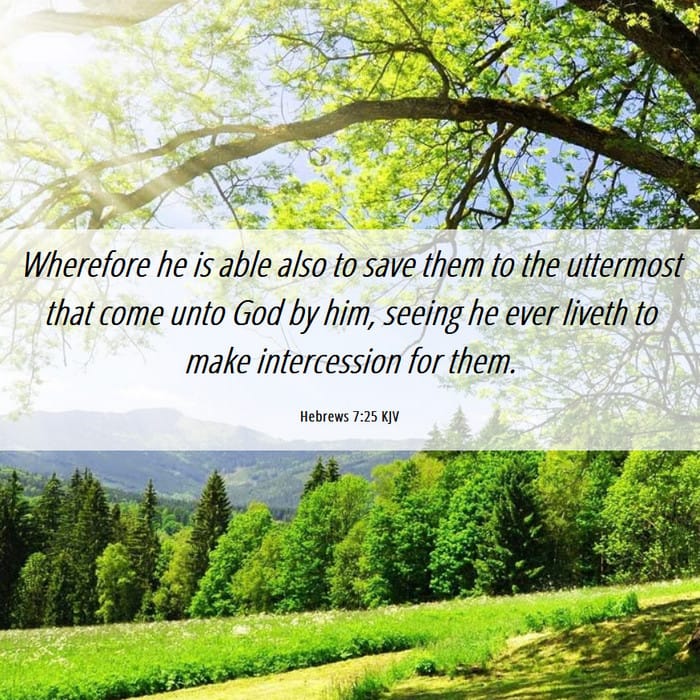
Jesus Himself intercedes.
If Christ ever lives to make intercession for His people, then the believer should rest in Him.
Questions to Ask
When testing the practice of praying to saints, ask:
- Did Jesus teach His disciples to pray to saints?
- Did the apostles command believers to pray to saints?
- Do we see New Testament Christians praying to departed believers?
- Does Scripture say there is one mediator between God and men?
- Does the Bible invite believers to come boldly to God through Christ?
- Is Jesus Christ sufficient as mediator and intercessor?
These questions help bring the issue back to Scripture.
Conclusion: Pray to God Through Jesus Christ
The Bible gives a clear pattern for prayer.
Jesus taught His disciples to pray, “Our Father which art in heaven.”
Scripture says there is one mediator between God and men, the man Christ Jesus.
Believers are invited to come boldly to the throne of grace.
The apostles prayed to God.
Jesus taught believers to ask the Father in His name.
Christ Himself ever liveth to make intercession.
The Bible does not command Christians to pray to saints.
💡 The safest path is the biblical path.
Pray to the Father.
Come through Jesus Christ.
Trust His mediation.
Rest in His intercession.
Call upon the Lord in the day of trouble.
Do not place confidence in a practice Scripture does not teach.
Jesus Christ is enough. He is the way, the truth, and the life. 🙏