Self-Deception in the Last Days

2 Timothy 3:1-5 KJV says:
“This know also, that in the last days perilous times shall come.
For men shall be lovers of their own selves, covetous, boasters, proud, blasphemers, disobedient to parents, unthankful, unholy,
Without natural affection, trucebreakers, false accusers, incontinent, fierce, despisers of those that are good,
Traitors, heady, highminded, lovers of pleasures more than lovers of God;
Having a form of godliness, but denying the power thereof: from such turn away.”
2 Timothy 3:1-5 does not necessarily name a separate spirit behind every sinful trait listed in the passage. Instead, it describes the attitudes, character traits, and fruits that will become increasingly visible in the last days.
For this reason, the phrase “spirit of self-exaltation” is best understood as a descriptive label rather than a direct Bible phrase.
The biblical warning itself is clear: people will become “lovers of their own selves.”
This is self-deception because self begins to take the place that belongs to God.
Instead of living to glorify the Lord, people begin to live for:
- Personal recognition
- Self-importance
- Self-promotion
- Personal comfort
- Public image
- Human approval
- Individual pleasure
- Personal authority
- Pride in knowledge
- Independence from God
When self becomes the center, truth is often judged by what benefits, pleases, protects, or elevates the individual.
What Is Self-Deception?
Self-deception happens when a person believes something false about their own heart, motives, condition, or relationship with God.
A person may believe they are humble while constantly seeking praise. They may believe they are spiritually mature while refusing correction. They may believe they are serving God while mainly building their own image.
Self-deception is dangerous because the person being deceived is also the person defending the deception.
Jeremiah 17:9 KJV
“The heart is deceitful above all things, and desperately wicked: who can know it?”

The human heart is not always a reliable guide. Feelings, desires, intentions, and personal confidence must all be tested by the Word of God.
The heart can excuse what Scripture condemns.
The heart can defend what pride desires.
The heart can rename selfishness as wisdom.
The heart can call ambition a calling.
The heart can call rebellion freedom.
The heart can call pride confidence.
This is why believers need Scripture, prayer, humility, correction, and the searching light of God.
Lovers of Their Own Selves
Paul begins this list by saying that men shall be “lovers of their own selves.”
This does not mean that every form of appropriate care, dignity, or responsibility is sinful.
💡 Scripture does not teach that people should hate themselves or neglect legitimate needs. The warning concerns excessive self-love that replaces love for God and others.
Self-centered love says:
- “My desires come first.”
- “My feelings determine truth.”
- “My happiness is the highest goal.”
- “No one has the right to correct me.”
- “I should never have to deny myself.”
- “God exists to fulfill my plans.”
- “Other people are valuable when they benefit me.”
This is the opposite of biblical discipleship.
Luke 9:23 KJV
“And he said to them all, If any man will come after me, let him deny himself, and take up his cross daily, and follow me.”
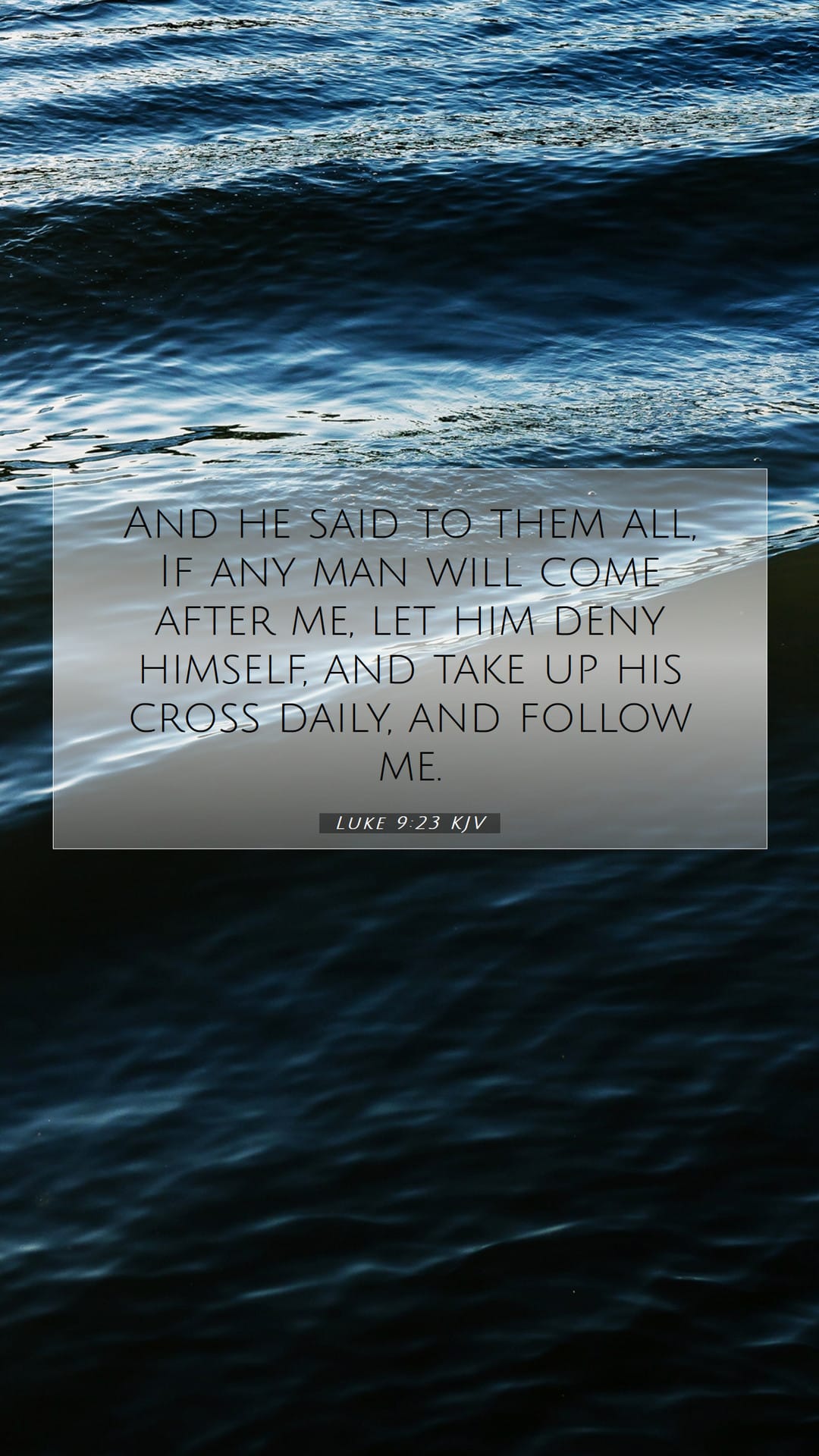
The gospel does not teach self-exaltation. It calls people to deny self and follow Jesus Christ.
When Self Becomes God
The deepest danger of self-love is that self begins to function like a god.
The person’s own feelings, desires, opinions, and ambitions become the final authority.
Instead of asking, “What does God say?” the person asks:
- “What do I want?”
- “What makes me happy?”
- “What feels right to me?”
- “What helps my image?”
- “What advances my position?”
- “What protects my comfort?”
This is self-idolatry.
Exodus 20:3 KJV
“Thou shalt have no other gods before me.”
An idol is not only a carved image. Anything that takes the highest place of devotion, obedience, trust, or identity can become an idol.
Self becomes an idol when personal desire is placed above God’s will.
Boastfulness: Identity Built on Image
Apostle Paul also warns that people will be “boasters.”
Boasting builds identity on image.
A boastful person wants others to notice:
- Their knowledge
- Their achievements
- Their possessions
- Their influence
- Their spiritual experiences
- Their gifts
- Their intelligence
- Their generosity
- Their position
The issue is not merely speaking about something that happened. The issue is the heart’s desire to be elevated in the eyes of others.
Proverbs 27:2 KJV
“Let another man praise thee, and not thine own mouth; a stranger, and not thine own lips.”
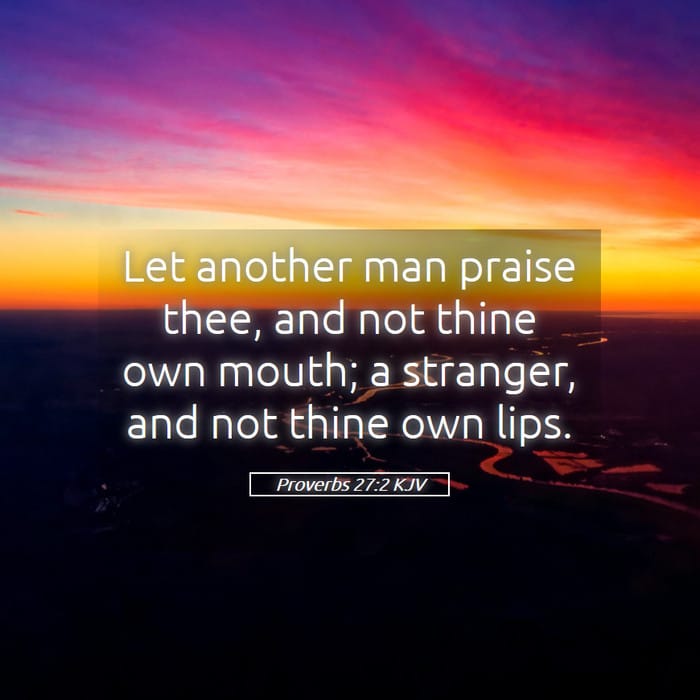
Boasting turns attention toward self. Biblical humility turns attention toward God.
1 Corinthians 1:31 KJV
“That, according as it is written, He that glorieth, let him glory in the Lord.”
A believer’s identity should not be built on creating an impressive image. It should be rooted in Jesus Christ.
Pride: Refusing Humility
Paul also says people will be proud.
Pride exalts self and resists humility. It refuses to admit weakness, error, sin, or dependence.
A proud person may find it difficult to say:
- “I was wrong.”
- “Please forgive me.”
- “I need help.”
- “I do not know.”
- “I need correction.”
- “I need to repent.”
- “I am dependent on God.”
Pride does not always appear loud. Quiet pride may hide behind withdrawal, defensiveness, false humility, or refusal to receive counsel.
Proverbs 16:18 KJV
“Pride goeth before destruction, and an haughty spirit before a fall.”
Pride makes people feel elevated while placing them near a fall.
Highmindedness: Exalting Personal Wisdom
Apostle Paul describes people as “highminded.”
Highmindedness is an inflated view of self. It causes people to trust their own wisdom, knowledge, or judgment above correction.
A highminded person may think:
- “I understand what others cannot.”
- “No one is qualified to teach me.”
- “My education proves I am right.”
- “My experience is more reliable than Scripture.”
- “Those who disagree with me are ignorant.”
- “I have advanced beyond ordinary believers.”
Romans 12:3 KJV says:
“For I say, through the grace given unto me, to every man that is among you, not to think of himself more highly than he ought to think; but to think soberly, according as God hath dealt to every man the measure of faith.”
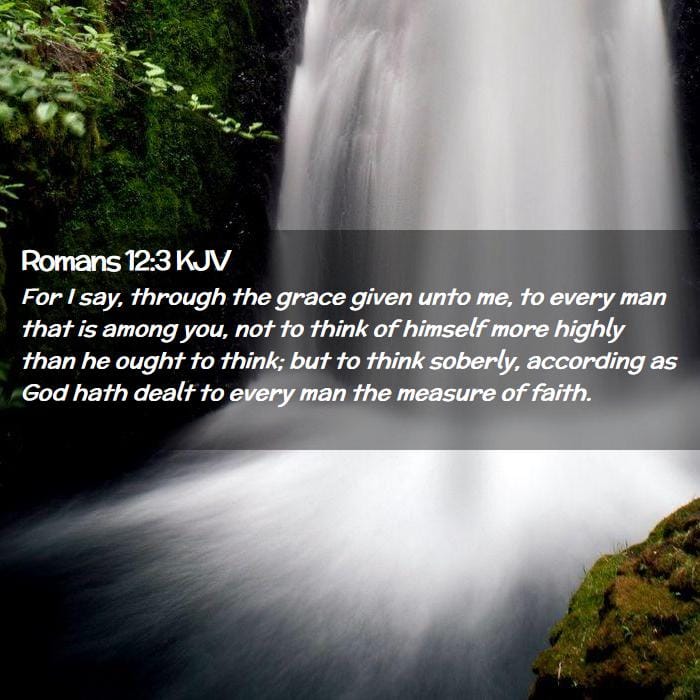
Scripture does not tell believers to think falsely low thoughts about themselves. It tells them to think soberly.
Humility sees the truth. Pride exaggerates self.
Self-Deception Rejects Correction
One of the strongest signs of self-deception is resistance to correction.
A deceived person may protect their image more than they desire truth.
Correction may be dismissed as:
- Judgment
- Jealousy
- Negativity
- Disrespect
- Persecution
- Lack of understanding
- An attack from the enemy
Sometimes correction can be given wrongly, but the possibility of poor delivery does not mean all correction should be rejected.
Proverbs 15:31-32 KJV says:
“The ear that heareth the reproof of life abideth among the wise.
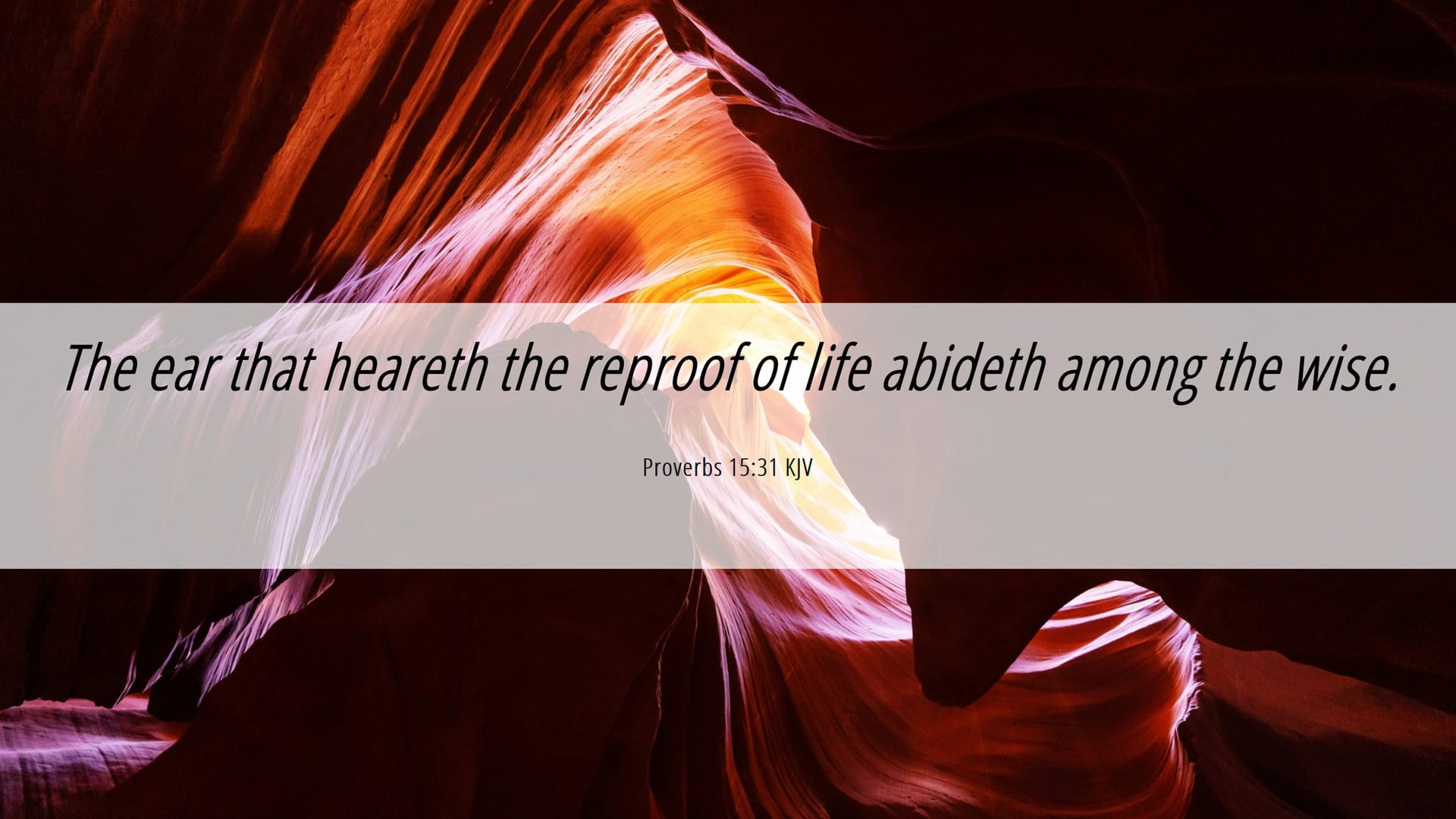
He that refuseth instruction despiseth his own soul: but he that heareth reproof getteth understanding.”
A teachable heart is safer than a heart convinced it can never be wrong.
Self-Deception Confuses Gifting With Maturity
A person may be gifted and still be immature.
They may speak well, lead effectively, understand difficult subjects, attract attention, or demonstrate strong abilities. But gifting does not automatically prove humility, holiness, sound doctrine, or obedience.
1 Corinthians 13:1-2 KJV says:
“Though I speak with the tongues of men and of angels, and have not charity, I am become as sounding brass, or a tinkling cymbal.
And though I have the gift of prophecy, and understand all mysteries, and all knowledge; and though I have all faith, so that I could remove mountains, and have not charity, I am nothing.”
These verses separate spiritual ability from spiritual character.
💡 A person can possess impressive gifts and still lack love.
Self-deception says: “My gift proves I am approved.”
👉 Biblical humility says: “My gift is given by grace, and I remain accountable to God.”
Self-Deception Uses Ministry to Exalt Self
Religious service can become a platform for self-exaltation if the heart is not guarded. A person may begin serving sincerely but slowly become driven by:
- Recognition
- Control
- Influence
- Applause
- Titles
- Visibility
- Competition
- Personal loyalty
- Public praise
⚠️ Even spiritual work can become self-centered.
Matthew 6:1 KJV says:
“Take heed that ye do not your alms before men, to be seen of them: otherwise ye have no reward of your Father which is in heaven.”
The issue is motive.
Are we serving because we love God and people, or because we want to be seen?
Self-deception can turn ministry into image-building.
Self-Deception Produces Comparison
Self-exaltation often depends on comparison.
A person feels important by believing they are better, wiser, more spiritual, more informed, or more faithful than others.
Comparison may sound like:
- “At least I am not like them.”
- “I understand more than they do.”
- “My ministry is more biblical.”
- “My group is more spiritual.”
- “I would never fall like that.”
- “God must favor me more.”
Jesus addressed this attitude in the parable of the Pharisee and the publican.
Luke 18:11 KJV says:
“The Pharisee stood and prayed thus with himself, God, I thank thee, that I am not as other men are…”
But the publican prayed:
Luke 18:13 KJV says:
“And the publican, standing afar off, would not lift up so much as his eyes unto heaven, but smote upon his breast, saying, God be merciful to me a sinner.”
Self-exaltation compares. Humility cries for mercy.
Self-Deception Makes Personal Desire the Measure of Truth
When self becomes central, people may accept or reject teaching based on whether it supports their desires.
A teaching is embraced because it makes them feel important. Another teaching is rejected because it requires repentance, self-denial, or surrender.
2 Timothy 4:3 KJV says:
“For the time will come when they will not endure sound doctrine; but after their own lusts shall they heap to themselves teachers, having itching ears;”
People may search for teachers who confirm what they already want to believe.
💡 This is one of the clearest signs of self-centered deception.
Truth is not determined by personal comfort. Truth is determined by God.
The Difference Between Healthy Identity and Self-Exaltation
Biblical humility does not mean believing that a person has no value.
Human beings are created by God and should understand their value in relation to Him. Believers are loved, forgiven, redeemed, and called through Jesus Christ.
But healthy identity says: “My value comes from God.”
Self-exaltation says: “My value comes from being above others.”
Healthy identity produces gratitude.
Self-exaltation produces boasting.
Healthy identity serves.
Self-exaltation seeks recognition.
Healthy identity receives correction.
Self-exaltation protects image.
Healthy identity depends on Christ.
Self-exaltation depends on admiration.
The answer to pride is not self-hatred. The answer is a Christ-centered identity.
Why Self-Exaltation Is Dangerous in the Last Days
Paul connects love of self with perilous times.
When self-love dominates a culture, several other sins grow around it:
- Covetousness
- Boasting
- Pride
- Ungratefulness
- Disobedience
- Lack of natural affection
- False accusation
- Lack of self-control
- Love of pleasure
- Religious appearance without power
When self is supreme, other people become tools, obstacles, competitors, or sources of affirmation.
Truth becomes inconvenient.
Correction becomes offensive.
Sacrifice becomes unreasonable.
Obedience becomes optional.
God becomes a means of personal fulfillment.
This is why self-exaltation is not harmless.
It reshapes the entire life around self instead of God.
How Believers Can Guard Against Self-Deception
Believers should regularly invite God to search their hearts.
Psalm 139:23-24 KJV says:
“Search me, O God, and know my heart: try me, and know my thoughts:

And see if there be any wicked way in me, and lead me in the way everlasting.”

Helpful questions include:
- Do I need to be noticed?
- Do I become angry when I am not recognized?
- Am I willing to admit when I am wrong?
- Do I receive correction?
- Do I compare myself with others?
- Do I think my gifts prove my maturity?
- Do I use spiritual language to promote myself?
- Do I obey truth that challenges my desires?
- Is my identity rooted in Christ or public approval?
- Do I serve when no one is watching?
- Do I want God to be glorified, or do I want attention?
These questions are not meant to create unhealthy condemnation. They are meant to bring motives into the light.
Humility Is the Protection Against Self-Exaltation
Humility is not pretending to be worthless. It is seeing ourselves honestly before God.
A humble person understands:
- Every good gift comes from God
- Salvation is by grace
- Human wisdom is limited
- Correction is necessary
- Gifts do not remove accountability
- No one is beyond temptation
- God alone deserves glory
James 4:6 KJV says:
“But he giveth more grace. Wherefore he saith, God resisteth the proud, but giveth grace unto the humble.”
💡 God gives grace to the humble.
Humility keeps the heart teachable, repentant, dependent, and close to the Lord.
Conclusion: Do Not Let Self Take the Place of God
2 Timothy 3:2 KJV warns:
“For men shall be lovers of their own selves, covetous, boasters, proud…”
Self-deception is one of the clearest dangers described in the last days.
It makes self the center.
It builds identity on image.
It produces boasting.
It refuses humility.
It exalts personal wisdom.
It rejects correction.
It confuses gifting with maturity.
It makes personal desire the measure of truth.
Apostle Paul does not necessarily name a separate spirit called “the spirit of self-exaltation.” It describes the character and fruit of people whose love of self has displaced love for God.
The answer is not self-hatred.
The answer is humility, repentance, surrender, and a life centered on Jesus Christ.
Do not let self become your god.
Do not build your identity on recognition.
Do not confuse ability with maturity.
Do not reject correction.
Do not measure truth by personal desire.
Do not exalt yourself above others.
Deny self.
Take up the cross.
Follow Jesus Christ.
Give God the glory.
Remain teachable.
And ask the Lord to search your heart.
“He must increase, but I must decrease.”