The Spirit of Error

1 John 4:6 KJV
“We are of God: he that knoweth God heareth us; he that is not of God heareth not us. Hereby know we the spirit of truth, and the spirit of error.”
What Is the Spirit of Error?
The spirit of error is one of the clearest biblical descriptions of spiritual deception. The Bible contrasts the spirit of truth with the spirit of error. This means there is truth that comes from God, and there is error that leads people away from God.
The spirit of error does not always look obviously false at first. Many times, it works through distorted teaching, half-truths, wrong interpretations, emotional arguments, religious language, or ideas that sound spiritual but do not agree with Scripture.
Error becomes especially dangerous when it is presented as truth.
A person may believe they are following God, while actually being led away from the truth of God’s Word. This is why believers must test what they hear, not by feelings, popularity, or personality, but by Scripture.
The Spirit of Truth vs. The Spirit of Error
The Bible gives a clear contrast between truth and error.
The spirit of truth points people to Jesus Christ, submits to Scripture, produces humility, leads to repentance, and builds biblical discernment.
The spirit of error distorts Christ, reinterprets Scripture falsely, produces pride, excuses sin, and creates confusion.
This contrast is extremely important because not every religious message is truthful. Not every spiritual voice is from God. Not every teaching that sounds biblical is faithful to the Bible.
👉 Believers must learn to recognize the difference.
This Article Is Not About Attacking People
This article is not written to attack individuals, name specific churches, criticize denominations, or create division.
The focus is not on personalities. The focus is on spiritual error.
The purpose is to help believers recognize patterns of false teaching and compare every message with the Word of God.
Biblical discernment is not about being suspicious of everyone. It is about being faithful to Scripture.
The question is not, “Do I like this teacher?”
The question is, “Does this teaching agree with the Bible?”
The question is not, “Is this message popular?”
The question is, “Is this message true?”
The question is not, “Does this make me feel good?”
The question is, “Does this lead me closer to Jesus Christ, repentance, holiness, and obedience?”
Sign 1: The Spirit of Error Distorts Jesus Christ
One of the greatest signs of the spirit of error is a distorted view of Jesus Christ.
A teaching may use the name of Jesus, but still change who He is, what He came to do, and what He requires.
Be careful of any teaching that presents Jesus as:
- Less than Lord
- Less than the only Savior
- Less than the only way to the Father
- Merely a moral teacher
- Merely a prophet
- Merely a life coach
- A means to wealth, success, or personal ambition
The true Jesus of Scripture must remain central.
A false version of Jesus cannot save. A message may sound Christian, quote verses, and speak warmly about Jesus, but if it changes the truth about Christ, it is not the spirit of truth.
John 14:6 KJV
“Jesus saith unto him, I am the way, the truth, and the life: no man cometh unto the Father, but by me.”
The spirit of truth exalts the true Christ. The spirit of error redefines Him.
Sign 2: The Spirit of Error Reinterprets Scripture Falsely
The spirit of error often works by twisting Scripture.
This does not always mean the Bible is ignored completely. In many cases, Bible verses are used, but they are taken out of context or given a meaning that God never intended.
A teaching should be tested carefully if it:
- Uses Scripture out of context
- Ignores the surrounding passage
- Builds doctrine on one isolated phrase
- Changes the meaning of clear biblical teaching
- Makes Scripture fit human opinion
- Treats personal experience as equal to the Bible
- Uses Bible language to support unbiblical ideas
Satan quoted Scripture when tempting Jesus, but he used it wrongly. This shows that using Bible verses is not enough. Scripture must be rightly understood and rightly applied.
2 Timothy 2:15 KJV
“Study to shew thyself approved unto God, a workman that needeth not to be ashamed, rightly dividing the word of truth.”
The spirit of truth submits to Scripture. The spirit of error bends Scripture to fit deception.
Sign 3: The Spirit of Error Produces Pride
The spirit of error often produces pride instead of humility.
💡 Truth should humble a person before God. When someone sees the holiness of God, the seriousness of sin, and the mercy of Christ, the proper response is humility, repentance, and reverence.
But spiritual error often produces a different fruit.
It may cause people to become:
- Unteachable
- Argumentative
- Spiritually superior
- Resistant to correction
- Proud of private revelation
- Contemptuous toward sound doctrine
- Dismissive of biblical accountability
Pride is dangerous because it makes people believe they cannot be deceived.
A person under the influence of error may begin to think they know better than Scripture, better than correction, better than the church, and better than anyone who warns them.
Obadiah 1:3 KJV
“The pride of thine heart hath deceived thee, thou that dwellest in the clefts of the rock, whose habitation is high; that saith in his heart, Who shall bring me down to the ground?”

Pride and deception often walk together. The spirit of truth produces humility. The spirit of error produces pride.
Sign 4: The Spirit of Error Excuses Sin
Another sign of the spirit of error is that it excuses sin instead of calling people to repentance.
The spirit of truth convicts people and points them to forgiveness, cleansing, and obedience in Jesus Christ. The spirit of error minimizes sin, redefines sin, or makes sin seem harmless.
Be careful of teachings that suggest:
- Sin is not serious
- Repentance is unnecessary
- Holiness is legalism
- Obedience is optional
- Conviction is harmful
- Correction is judgmental
- Grace means God ignores rebellion
Biblical grace does not excuse sin. Biblical grace teaches believers to turn from ungodliness and live for God.
Titus 2:11-12 KJV
“For the grace of God that bringeth salvation hath appeared to all men,”
“Teaching us that, denying ungodliness and worldly lusts, we should live soberly, righteously, and godly, in this present world;”
The spirit of truth leads to repentance. The spirit of error excuses sin.
Sign 5: The Spirit of Error Creates Confusion
God is not the author of confusion. When spiritual error spreads, confusion often follows.
People may become unstable, unsure, divided, fearful, or constantly pulled toward new ideas. They may lose confidence in clear Scripture and become dependent on personalities, experiences, trends, or private interpretations.
Signs of confusion-based error may include:
- Constant uncertainty
- Contradictory teachings
- Emotional instability
- Doctrinal confusion
- Endless speculation
- Fear-driven decisions
- Loss of biblical clarity
- Always chasing something new
- Never becoming grounded in truth
1 Corinthians 14:33 KJV
“For God is not the author of confusion, but of peace, as in all churches of the saints.”
The spirit of truth brings clarity through God’s Word. The spirit of error creates fog, instability, and spiritual exhaustion.
Sign 6: The Spirit of Error Rejects Correction
A person who is walking in truth should be willing to be corrected by Scripture.
The spirit of error often rejects correction and treats biblical warning as an attack.
This can appear in statements such as:
- “Do not judge.”
- “You are being religious.”
- “Doctrine does not matter.”
- “You are limiting God.”
- “You are touching the anointed.”
- “You just do not understand the new thing God is doing.”
Correction is not always comfortable, but it is necessary.
Proverbs 12:1 KJV
“Whoso loveth instruction loveth knowledge: but he that hateth reproof is brutish.”
The spirit of truth receives correction from God’s Word. The spirit of error resists correction and protects deception.
Sign 7: The Spirit of Error Replaces Doctrine With Emotion
Emotion is not wrong. God created people with emotions. Worship, conviction, joy, sorrow, and gratitude can all involve deep feeling.
But emotion must never replace truth.
A message may be emotional, powerful, moving, and inspiring, but still be unbiblical. Feelings are not the final test of truth. Scripture is.
Be careful when people judge truth mainly by statements like:
- “It felt powerful.”
- “Everyone was moved.”
- “It gave me chills.”
- “It sounded loving.”
- “It made people excited.”
- “It felt spiritual.”
A message can stir emotions and still lead people away from truth.
The spirit of truth does not depend on emotional manipulation. It points people to the Word of God and the true gospel of Jesus Christ.
Sign 8: The Spirit of Error Makes Man the Authority
The spirit of error often shifts authority from God to man.
Instead of asking, “What does Scripture say?” people begin asking, “What do I feel? What does culture say? What does this popular teacher say? What does my experience tell me?”
This is dangerous because once Scripture is no longer the final authority, truth becomes flexible.
Be careful of teachings that place final authority in:
- Human opinion
- Culture
- Feelings
- Dreams
- Visions
- Personal experience
- Religious tradition
- Popular movements
- Academic pride
- Private revelation
2 Timothy 3:16 KJV
“All scripture is given by inspiration of God, and is profitable for doctrine, for reproof, for correction, for instruction in righteousness:”
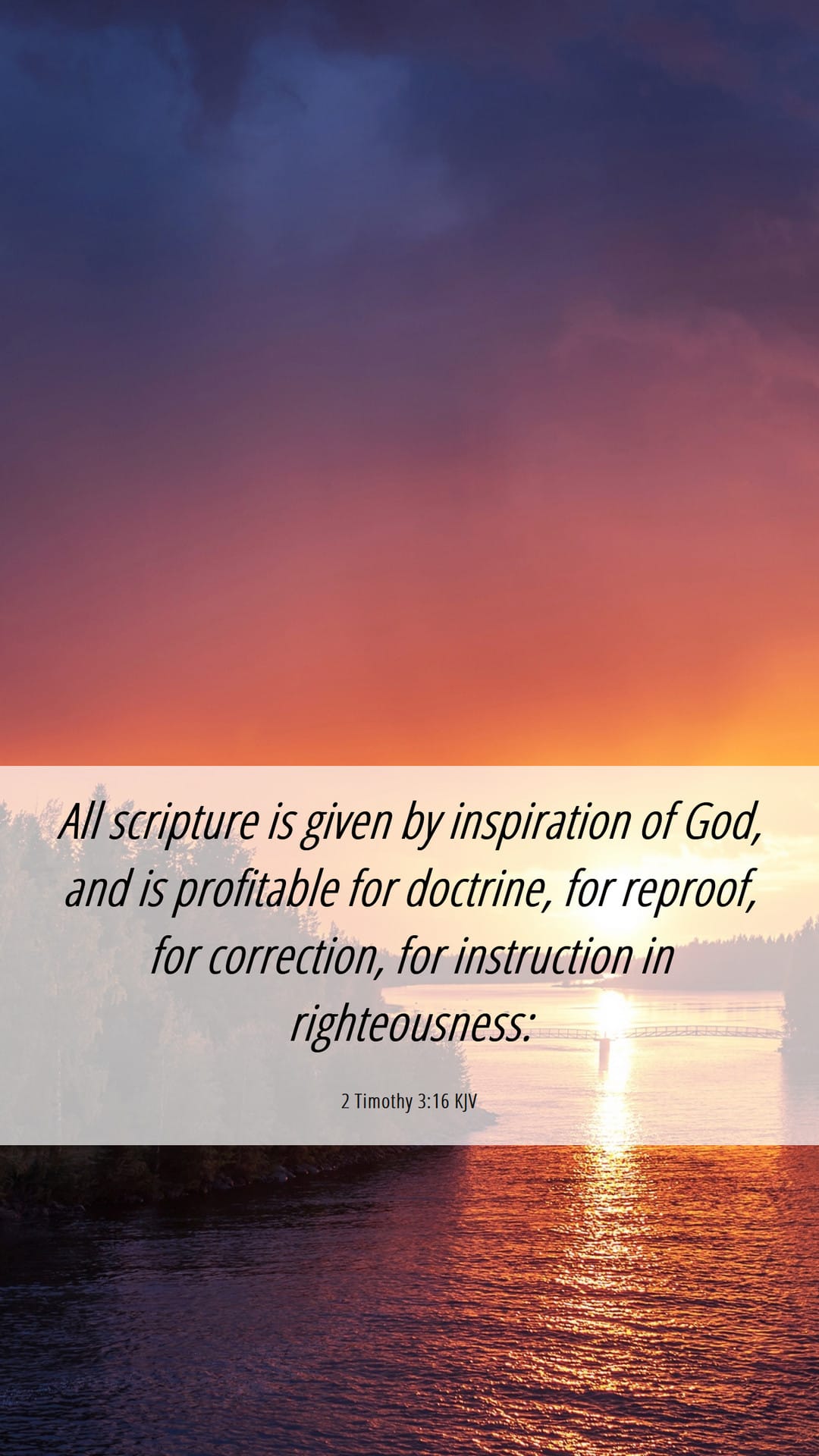
The spirit of truth submits to Scripture. The spirit of error makes man the judge of truth.
Sign 9: The Spirit of Error Produces False Unity
Unity is important, but biblical unity must be built on truth.
The spirit of error often promotes a false unity that asks people to ignore doctrine, avoid correction, and accept anything in the name of love.
But unity without truth is not biblical unity.
Be careful of any message that says:
- Doctrine does not matter
- Truth divides too much
- Love means accepting all teaching
- Correction is unloving
- Agreement is more important than holiness
- Peace is more important than obedience
True unity is found in Christ and truth, not in compromise.
Ephesians 4:15 KJV
“But speaking the truth in love, may grow up into him in all things, which is the head, even Christ:”

The spirit of truth speaks the truth in love. The spirit of error often chooses false peace over faithfulness.
Sign 10: The Spirit of Error Leads People Away From the Gospel
The final danger of the spirit of error is that it leads people away from the gospel itself.
This may happen slowly. The message may still use Christian words, but the meaning changes.
Sin becomes brokenness without guilt.
Repentance becomes self-improvement.
Grace becomes permission.
Faith becomes self-confidence.
Jesus becomes a helper for personal success.
The cross becomes a symbol instead of the place of atonement.
The gospel becomes a message about earthly fulfillment instead of salvation through Christ.
This is why Paul warned about another gospel.
Galatians 1:8 KJV
“But though we, or an angel from heaven, preach any other gospel unto you than that which we have preached unto you, let him be accursed.”
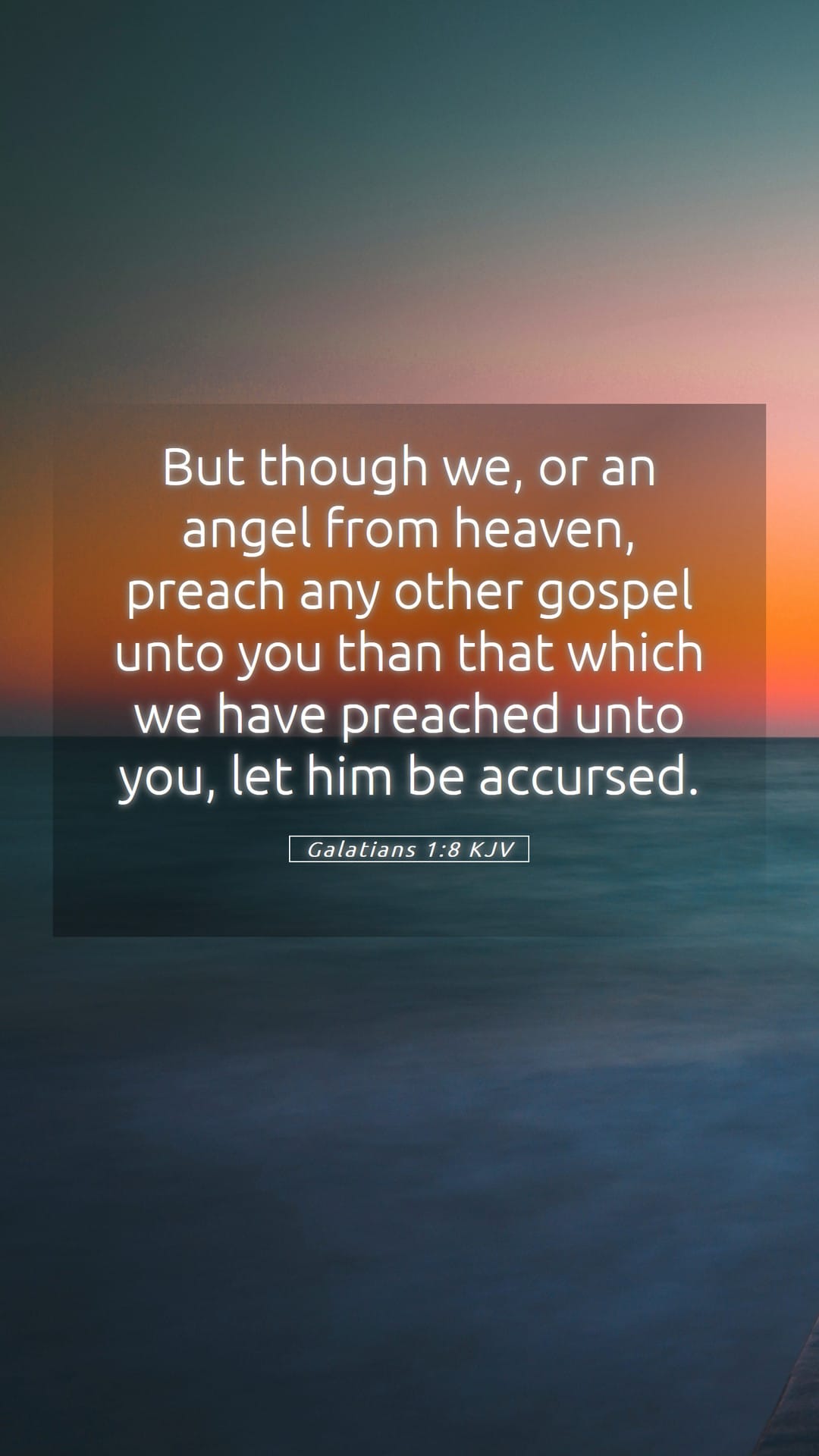
The spirit of truth preserves the gospel. The spirit of error corrupts it.
How Believers Can Guard Against the Spirit of Error
Believers do not need to live in fear, but they do need to be watchful.
The way to guard against the spirit of error is to remain rooted in God’s Word and dependent on the Holy Spirit.
Christians should:
- Study Scripture carefully
- Pray for wisdom
- Stay humble before God
- Test every teaching
- Hold fast to sound doctrine
- Remain open to biblical correction
- Compare spiritual claims with Scripture
- Keep Jesus Christ at the center
- Reject teachings that excuse sin
- Refuse any gospel that differs from Scripture
A believer should ask:
- Does this teaching agree with the Bible?
- Does it exalt the true Jesus Christ?
- Does it preserve the gospel?
- Does it lead to repentance?
- Does it produce holiness?
- Does it make Scripture the final authority?
- Does it bring clarity or confusion?
- Does it produce humility or pride?
- Does it draw people closer to God or farther from Him?
Discernment Must Be Humble
Biblical discernment should not produce arrogance. It should produce humility.
The goal is not to win arguments, attack people, or prove personal superiority. The goal is to remain faithful to Jesus Christ and help others stay grounded in truth.
Discernment is not hatred.
Discernment is not suspicion.
Discernment is not pride.
Discernment is not division for the sake of division.
👉 True discernment is love for God, love for His Word, and love for souls.
The spirit of truth produces humility. The spirit of error produces pride.
Conclusion: Walk in the Spirit of Truth
1 John 4:6 KJV
“We are of God: he that knoweth God heareth us; he that is not of God heareth not us. Hereby know we the spirit of truth, and the spirit of error.”
The Bible gives believers a clear contrast. There is the spirit of truth, and there is the spirit of error.
The spirit of truth points to the true Jesus Christ, submits to Scripture, produces humility, leads to repentance, and builds discernment.
The spirit of error distorts Christ, twists Scripture, produces pride, excuses sin, creates confusion, rejects correction, and leads people away from the gospel.
This is why Christians must test every teaching by the Word of God.
Do not follow a message simply because it is popular.
Do not accept a teaching simply because it sounds spiritual.
Do not trust a doctrine simply because it is emotional.
Do not believe every voice simply because it uses the name of God.
Stay rooted in Scripture.
Stay humble before the Lord.
Stay faithful to Jesus Christ.
Love the truth.
Reject error.
And walk in the spirit of truth 🙏