Grace Is Not a License to Sin

Grace is one of the most beautiful truths in the Bible. Through grace, sinners are forgiven, redeemed, and brought near to God through Jesus Christ. But grace is often misunderstood and sometimes twisted into something the Bible never teaches.
Some people use grace as an excuse to continue in sin. They speak of God’s mercy while refusing repentance. They claim forgiveness while defending rebellion. They say they are under grace, but they do not want to be changed by grace.
💡 That is not biblical grace.
Grace Saves, But Grace Also Teaches
Titus 2:11-12 KJV says:
“For the grace of God that bringeth salvation hath appeared to all men,

Teaching us that, denying ungodliness and worldly lusts, we should live soberly, righteously, and godly, in this present world;”
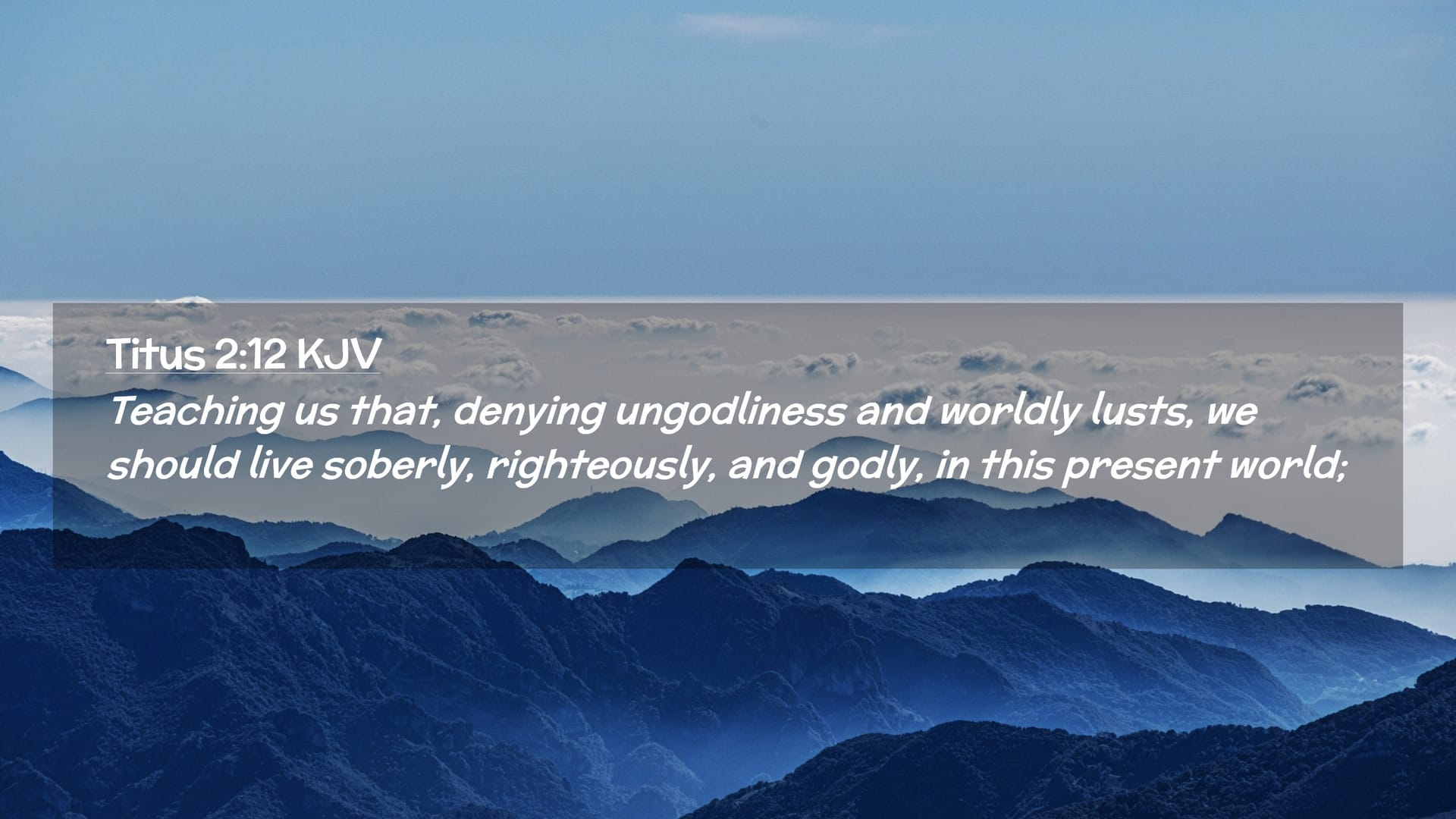
This passage is very clear. The grace of God does not teach believers to continue in ungodliness. It teaches them to deny ungodliness.
Grace does not say:
- “Sin no longer matters.”
- “Repentance is unnecessary.”
- “Holiness is optional.”
- “Obedience is legalism.”
- “God understands, so continue in rebellion.”
- “You can live however you want.”
Grace teaches the opposite.
👉 Grace teaches believers to live soberly, righteously, and godly in this present world.
Grace Is Not Permission to Rebel
A dangerous false teaching says that because God is gracious, sin is no longer serious. This turns the mercy of God into an excuse for disobedience.
But the Bible warns against this.
Jude 1:4 KJV says:
“For there are certain men crept in unawares, who were before of old ordained to this condemnation, ungodly men, turning the grace of our God into lasciviousness, and denying the only Lord God, and our Lord Jesus Christ.”
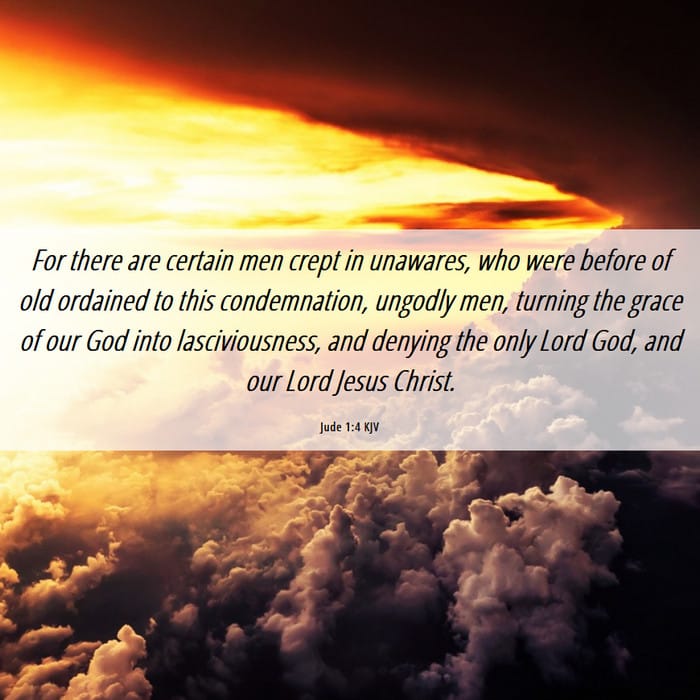
Lasciviousness refers to sinful, uncontrolled, immoral living. Jude warns that ungodly men would turn grace into a license for sin.
This is still one of the most dangerous forms of false doctrine today.
Whenever grace is used to excuse sin, minimize repentance, or remove holiness, it has been twisted.
Shall We Continue in Sin?
The apostle Paul directly answered this question.
Romans 6:1-2 KJV says:
“What shall we say then? Shall we continue in sin, that grace may abound?

God forbid. How shall we, that are dead to sin, live any longer therein?”

Paul did not say, “Since grace abounds, sin does not matter.” He said, “God forbid.”
Grace does not make peace with sin. Grace breaks the power of sin.
💡 A person who has truly received the grace of God should not desire to remain in the very sin Christ came to save them from.
Jesus did not die so people could comfortably continue in rebellion. He died to save His people from their sins.
True Grace Produces a Changed Life
Grace is not earned by good works. Salvation is not obtained by human effort. A sinner is saved by grace through faith in Jesus Christ.
But the same grace that saves also changes the life.
Ephesians 2:8-10 KJV says:
“For by grace are ye saved through faith; and that not of yourselves: it is the gift of God:

Not of works, lest any man should boast.

For we are his workmanship, created in Christ Jesus unto good works, which God hath before ordained that we should walk in them.”

Verses 8 and 9 show that salvation is by grace, not works. But verse 10 shows that those who are saved are created in Christ Jesus unto good works.
Good works do not save us.
💡 But true salvation produces good works.
Grace does not leave a person unchanged.
Forgiveness Is Not the Same as Approval
God is merciful and ready to forgive those who repent. But forgiveness does not mean God approves of sin.
A person should never confuse mercy with permission.
Jesus showed mercy to sinners, but He also called them to leave sin.
John 8:11 KJV says:
“She said, No man, Lord. And Jesus said unto her, Neither do I condemn thee: go, and sin no more.”
Jesus did not condemn the woman, but He also did not tell her to continue in sin. His mercy was not approval of rebellion.
Grace forgives.
Grace restores.
Grace also says, “Sin no more.”
Signs That Grace Is Being Twisted
A teaching may be twisting grace when it says or implies:
- Repentance is not necessary
- Holiness is legalism
- Obedience does not matter
- Sin has no consequences
- Correction is judgmental
- The fear of God is outdated
- A Christian can live in willful sin without danger
- God’s love means He approves of everything
- Grace means no one should warn about sin
These ideas may sound comforting, but they are spiritually dangerous.
True grace does not flatter the flesh. True grace leads people closer to Jesus Christ.
Grace and Holiness Belong Together
Some people act as if grace and holiness are enemies. They are not.
Grace is the reason believers can be forgiven.
Grace is also the reason believers can be changed.
1 Peter 1:15-16 KJV says:
“But as he which hath called you is holy, so be ye holy in all manner of conversation;
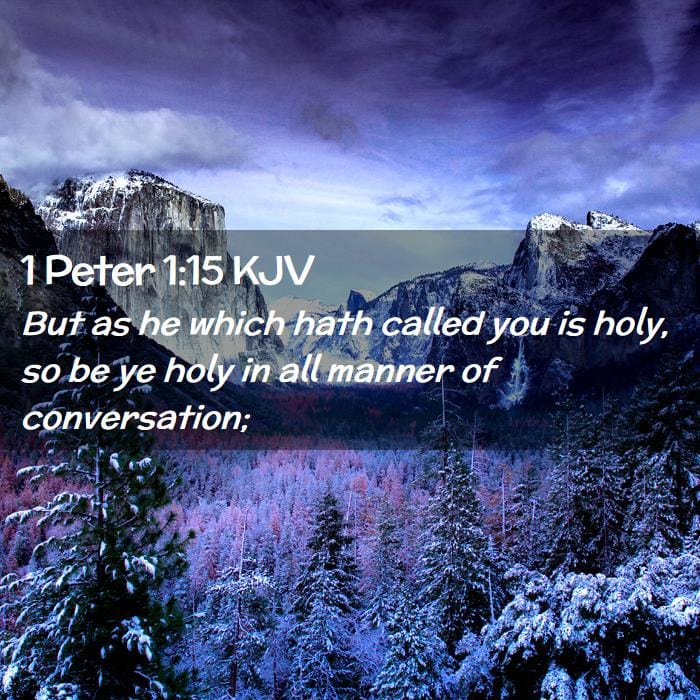
Because it is written, Be ye holy; for I am holy.”

God does not call His people to holiness because He is harsh. He calls them to holiness because He is holy.
Holiness is not earning salvation. Holiness is the fruit of belonging to God.
Do Not Use Grace to Defend Sin
Every believer still needs mercy. Christians can stumble, struggle, and need forgiveness. The issue is not whether a believer ever sins. The issue is whether a person uses grace to defend sin instead of repent from it.
A sincere believer may fall and cry out to God for mercy.
A deceived person may sin and say, “It does not matter because I am under grace.”
There is a big difference.
Grace should make the heart humble, not careless.
Grace should produce gratitude, not rebellion.
Grace should lead to repentance, not excuses.
Questions for Self-Examination
Ask yourself:
- Am I using grace as an excuse for sin?
- Do I repent when God convicts me?
- Do I desire holiness?
- Am I defending something Scripture condemns?
- Do I call obedience legalism?
- Has grace made me humble or careless?
- Am I allowing God’s Word to correct me?
- Am I growing in sober, righteous, and godly living?
- Do I love Jesus enough to turn from what displeases Him?
These questions are not meant to create condemnation. They are meant to help the heart stay honest before God.
Conclusion: Grace Changes the Life
Grace is not a license to sin.
Grace is not permission to rebel.
Grace is not an excuse to ignore repentance, holiness, or obedience.
The grace of God brings salvation, but it also teaches believers to deny ungodliness and worldly lusts. It teaches them to live soberly, righteously, and godly in this present world.
Do not let anyone turn grace into permission for sin.
Do not confuse forgiveness with approval.
Do not call obedience legalism when Scripture calls believers to holiness.
True grace forgives sin.
True grace breaks the power of sin.
True grace teaches repentance.
True grace produces holiness.
True grace leads the believer closer to Jesus Christ.
Grace does not leave people comfortable in darkness.
Grace brings them into the light. 🙏