The Prosperity Gospel: When Wealth Is Mistaken for Godliness
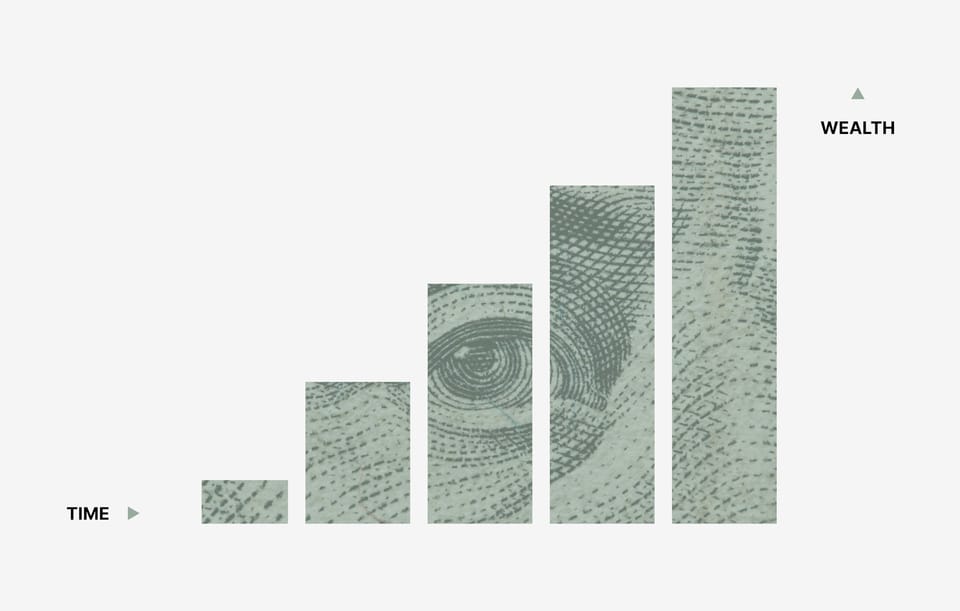
The prosperity gospel is a teaching that presents faith in God as a pathway to wealth, success, health, promotion, and earthly comfort. It often suggests that if a person has enough faith, gives enough money, speaks the right words, or follows certain spiritual principles, then God will guarantee financial increase and worldly success.
⚠️ This teaching is dangerous because it can sound biblical on the surface. It may use words like faith, blessing, favor, seed, harvest, increase, breakthrough, and abundance. But when these words are used to make earthly prosperity the center of the Christian life, the message has shifted away from the gospel of Jesus Christ.
💡 The true gospel is not centered on money. It is centered on Christ crucified, buried, and risen again.
1 Corinthians 15:3-4 KJV says:
“For I delivered unto you first of all that which I also received, how that Christ died for our sins according to the scriptures;

And that he was buried, and that he rose again the third day according to the scriptures:”

God Can Provide, But Wealth Is Not the Gospel
God is able to provide for His people. The Bible teaches that God knows our needs, cares for His children, and calls believers to trust Him.
👉 But provision is not the same as a guarantee of riches.
A teaching becomes dangerous when it suggests that material wealth is the normal proof of strong faith or God’s approval.
💡 The Bible never teaches that every faithful believer will be rich, comfortable, healthy, and successful in worldly terms. Many faithful servants of God suffered hardship, persecution, poverty, loss, imprisonment, rejection, and death.
Jesus Himself said:
Luke 9:23 KJV says:
“And he said to them all, If any man will come after me, let him deny himself, and take up his cross daily, and follow me.”

The call of Christ is not first a call to comfort. It is a call to follow Him.
Gain Is Not Godliness
One of the strongest warnings against prosperity-style deception is found in 1 Timothy.
1 Timothy 6:5 KJV speaks of people who are:
“Perverse disputings of men of corrupt minds, and destitute of the truth, supposing that gain is godliness: from such withdraw thyself.”

This verse is direct. Some people suppose that gain is godliness. They measure spiritual truth by material increase.
But gain is not godliness.
A person can have wealth and still be spiritually poor. A ministry can grow financially and still teach error. A message can attract money and still lead people away from Christ.
Prosperity is not the test of truth.
📖 Scripture is the test of truth.
The Love of Money Is Spiritually Dangerous
The prosperity gospel often encourages people to desire wealth as a sign of blessing. But Scripture repeatedly warns about the danger of loving money.
1 Timothy 6:10 KJV says:
“For the love of money is the root of all evil: which while some coveted after, they have erred from the faith, and pierced themselves through with many sorrows.”

This verse does not say money itself is evil. Money can be used wisely, generously, and faithfully. The danger is the love of money.
When people are taught to chase wealth in the name of faith, they may begin to confuse greed with blessing and covetousness with spiritual ambition.
The love of money can lead people to:
- Compromise truth
- Measure faith by finances
- Give in order to get rich
- Follow teachers who promise wealth
- Feel condemned if they are poor
- Believe sickness or hardship always means weak faith
- Treat God as a means to earthly success
That is not biblical Christianity.
Giving Should Not Be Manipulated
The Bible teaches generosity. Believers should give willingly, cheerfully, and sincerely. But prosperity teaching often turns giving into a transaction.
People may be told:
- “Sow this amount to unlock your miracle.”
- “Give money to activate your breakthrough.”
- “Your harvest depends on your seed.”
- “If you give sacrificially, God must multiply it back financially.”
- “Your poverty will end if you give enough.”
This can become spiritual manipulation.
2 Corinthians 9:7 KJV says:
“Every man according as he purposeth in his heart, so let him give; not grudgingly, or of necessity: for God loveth a cheerful giver.”

Biblical giving is not forced by pressure, fear, or greed. It is not a purchase of God’s favor.
God cannot be bought.
A gift given mainly to become rich is not generosity. It is self-interest dressed in religious language.
Jesus Warned About the Deceitfulness of Riches
Jesus directly warned that riches can deceive the heart.
Mark 4:19 KJV says:
“And the cares of this world, and the deceitfulness of riches, and the lusts of other things entering in, choke the word, and it becometh unfruitful.”

Riches deceive because they promise what only God can give.
They promise:
- Security
- Peace
- Identity
- Control
- Satisfaction
- Importance
- Approval
- Freedom
But riches cannot save the soul. They cannot forgive sin. They cannot give eternal life. They cannot make a person holy.
When prosperity teaching makes wealth the goal, it pushes people toward the very danger Jesus warned about.
The Word can become choked by the desire for more.
Poverty Is Not Always a Curse
Prosperity teaching can be cruel to suffering believers because it may imply that poverty, sickness, hardship, or difficulty must always be the result of weak faith, sin, or failure.
But the Bible does not teach that.
The apostle Paul experienced hunger, need, suffering, and hardship, yet he was faithful to God.
Philippians 4:12 KJV says:
“I know both how to be abased, and I know how to abound: every where and in all things I am instructed both to be full and to be hungry, both to abound and to suffer need.”

Paul knew how to abound, but he also knew how to suffer need.
Faithfulness is not measured by wealth.
A poor believer who trusts Christ may be spiritually rich. A wealthy person who rejects Christ is spiritually poor.
The Prosperity Gospel Can Redefine Jesus
One of the most serious dangers of the prosperity gospel is that it can redefine Jesus.
Instead of presenting Jesus as Lord, Saviour, King, and the Lamb of God who takes away sin, it presents Him mainly as a way to get earthly benefits.
In this distorted message, Jesus may become:
- A path to wealth
- A source of personal success
- A means of achieving dreams
- A helper for ambition
- A guarantee of comfort
- A way to gain influence
But Jesus is not a tool for human ambition.
He is Lord.
Matthew 6:33 KJV says:
“But seek ye first the kingdom of God, and his righteousness; and all these things shall be added unto you.”

The command is not to seek riches first. The command is to seek the kingdom of God and His righteousness.
True Blessing Is Bigger Than Money
The Bible does speak about blessing, but biblical blessing is much deeper than money.
True blessing includes:
- Forgiveness of sins
- Peace with God
- Eternal life
- A changed heart
- The presence of the Holy Spirit
- Wisdom
- Contentment
- Holiness
- Spiritual fruit
- Fellowship with Christ
- Hope beyond death
A person can have all the money in the world and still be lost.
Jesus said:
Mark 8:36 KJV says:
“For what shall it profit a man, if he shall gain the whole world, and lose his own soul?”

This verse exposes the emptiness of a message centered on earthly gain.
What good is worldly prosperity if the soul is lost?
Signs of Prosperity Gospel Deception
A teaching may be drifting into prosperity gospel deception when it:
- Measures faith by wealth
- Suggests poverty always means spiritual failure
- Promises guaranteed riches for giving
- Treats God like a financial system
- Focuses more on success than repentance
- Speaks more about money than the cross
- Presents Jesus mainly as a path to earthly gain
- Uses pressure or fear to raise money
- Claims financial increase proves God’s approval
- Makes suffering seem incompatible with faith
These signs should be tested carefully by Scripture.
The Biblical Response
The answer is not to hate money or condemn every believer who has resources. The Bible calls Christians to be faithful stewards of whatever God provides.
A believer can work hard, provide for family, give generously, and use resources wisely.
But the heart must remain submitted to God.
Believers should:
- Seek Christ above wealth
- Give without manipulation
- Practice contentment
- Reject greed
- Trust God in both abundance and need
- Refuse to measure truth by financial success
- Remember eternity
- Follow Jesus even when obedience is costly
1 Timothy 6:6 KJV says:
“But godliness with contentment is great gain.”
That is the opposite of prosperity deception.
Godliness with contentment is great gain.
Conclusion: Do Not Confuse Wealth With Godliness
The prosperity gospel is dangerous because it makes earthly gain central to a message that should be centered on Jesus Christ.
It can turn faith into a formula, giving into a transaction, blessing into material success, and God into a means of personal advancement.
But Scripture is clear.
Gain is not godliness.
Money is not the measure of faith.
Poverty is not always a curse.
Suffering is not always a sign of failure.
Giving is not a way to purchase miracles.
Jesus is not a tool for wealth.
The gospel is not about earthly riches.
The true gospel is about Jesus Christ, who died for our sins, was buried, and rose again according to the Scriptures.
Do not chase a message that promises the world while neglecting the soul.
Seek first the kingdom of God.
Trust the Lord in abundance and in need.
Be generous without greed.
Practice contentment.
Reject manipulation.
Hold fast to Scripture.
And follow Jesus Christ, whether the path is comfortable or costly. 🙏