How to Test Every Teaching by Scripture

Not every message that mentions God is from God. Not every teaching that quotes the Bible is faithful to the Bible.
Not every spiritual voice, movement, sermon, prophecy, book, video, or religious claim should be accepted without testing.
The Bible commands believers to practice discernment.
1 Thessalonians 5:21 KJV says:
“Prove all things; hold fast that which is good.”
This verse gives a clear instruction. Believers are not told to believe everything blindly. They are told to prove all things and hold fast to what is good.
Biblical discernment is not suspicion, pride, or attacking people. It is the faithful practice of testing what we hear by the Word of God.
Why Every Teaching Must Be Tested
💡 Spiritual deception often sounds convincing.
False teaching may use Christian words, quote Bible verses, speak about love, promise blessing, or appear wise and compassionate.
But appearance is not the test of truth.
A teaching should not be accepted simply because it is:
- Popular
- Emotional
- Encouraging
- Traditional
- Modern
- Intellectual
- Spoken confidently
- Connected to a large audience
- Supported by signs or experiences
The real question is simple:
Does this teaching agree with Scripture?
Acts 17:11 KJV says:
“These were more noble than those in Thessalonica, in that they received the word with all readiness of mind, and searched the scriptures daily, whether those things were so.”
The Bereans listened, but they also searched the Scriptures. That is a healthy example for believers today.
Test 1: Does It Agree With the Bible?
The first test is Scripture.
A teaching may sound spiritual, but if it contradicts the Bible, it must be rejected.
Isaiah 8:20 KJV says:
“To the law and to the testimony: if they speak not according to this word, it is because there is no light in them.”
👉 God does not contradict His own Word.
Be careful of teachings that:
- Ignore clear Scripture
- Twist verses out of context
- Build doctrine on isolated phrases
- Place private revelation above the Bible
- Redefine sin
- Remove repentance
- Change the gospel
- Make human opinion the final authority
The Bible must judge the teaching. The teaching must never be allowed to reshape the Bible.
Test 2: Does It Exalt Jesus Christ?
A true teaching will honor the true Jesus Christ of Scripture.
John 14:6 KJV says:
“Jesus saith unto him, I am the way, the truth, and the life: no man cometh unto the Father, but by me.”
Any message that makes Jesus optional, less than Lord, less than God's Son manifest in the flesh, or only one path among many must be rejected.
Ask:
- Does this teaching present Jesus as Lord?
- Does it honor His deity?
- Does it proclaim His death and resurrection?
- Does it present Him as the only way to the Father?
- Does it call people to follow Him?
- Does it glorify Christ or man?
A teaching may mention Jesus and still redefine Him. Believers must test whether the Jesus being preached is the Jesus of Scripture.
Test 3: Does It Preserve the Gospel?
The gospel is not a message of human success, self-improvement, wealth, political power, or religious tradition.
The gospel is about Jesus Christ.
1 Corinthians 15:3-4 KJV says:
“For I delivered unto you first of all that which I also received, how that Christ died for our sins according to the scriptures;
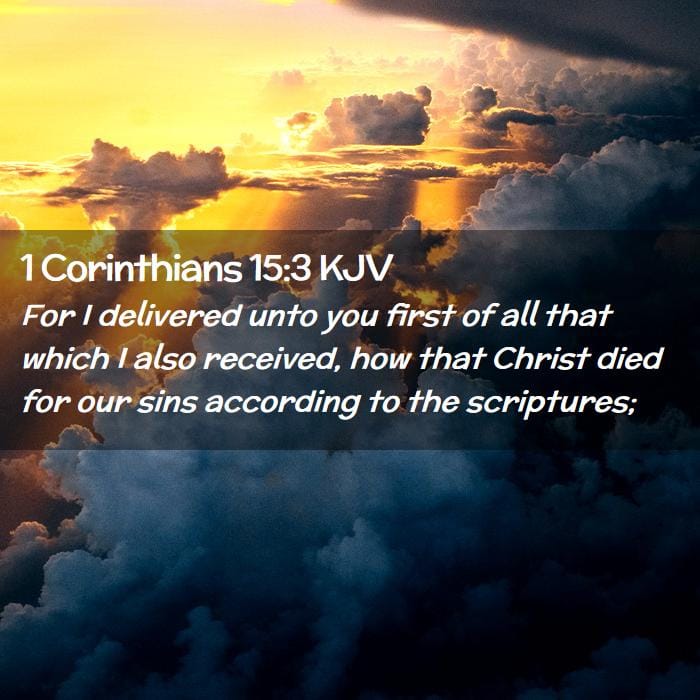
And that he was buried, and that he rose again the third day according to the scriptures:”

A teaching should be rejected if it presents:
- Salvation without Christ
- Forgiveness without the cross
- Grace without repentance
- Faith without obedience
- Heaven without holiness
- Another Jesus
- Another spirit
- Another gospel
The gospel must not be edited to please people.
Test 4: Does It Lead to Repentance and Holiness?
True biblical teaching does not make sin seem harmless.
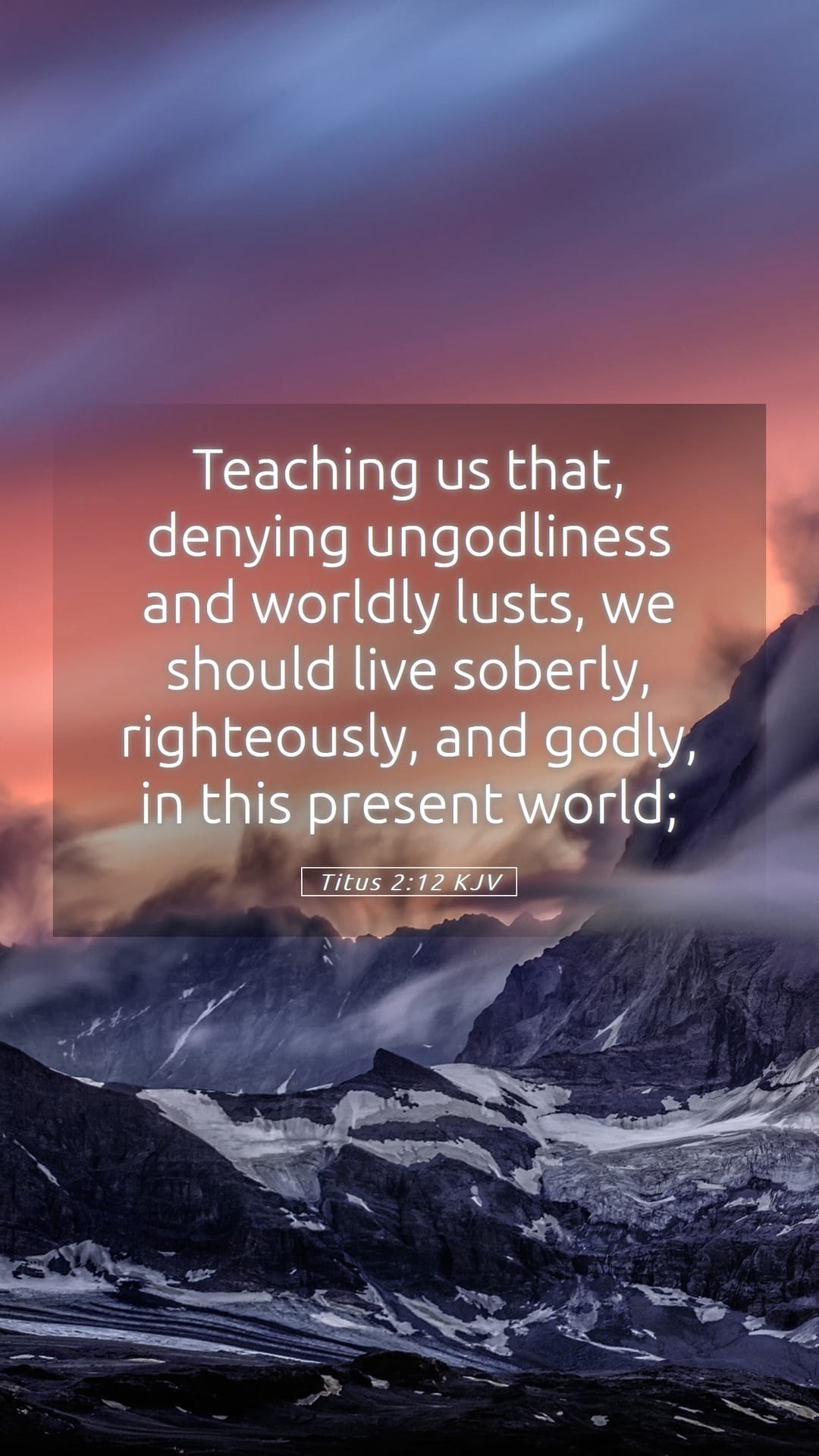
Titus 2:11-12 KJV says:
“For the grace of God that bringeth salvation hath appeared to all men,

Teaching us that, denying ungodliness and worldly lusts, we should live soberly, righteously, and godly, in this present world;”
💡 Grace does not lead people deeper into sin.
💡 Grace teaches believers to deny ungodliness.
Be careful of teachings that suggest:
- Repentance is unnecessary
- Holiness is legalism
- Obedience does not matter
- Sin has no consequences
- Correction is unloving
- God’s love means approval of rebellion
A message that excuses sin is not faithful to Scripture.
Test 5: Does It Produce Good Fruit?
Jesus taught that false prophets would be known by their fruit.
Matthew 7:15-20 KJV says:
“Beware of false prophets, which come to you in sheep's clothing, but inwardly they are ravening wolves.
Ye shall know them by their fruits…”
Fruit is not the same as popularity. A large platform is not proof of truth. Financial success is not proof of God’s approval. Emotional excitement is not proof of sound doctrine.
Look for biblical fruit such as:
- Humility
- Repentance
- Holiness
- Love for truth
- Obedience
- Integrity
- Self-control
- Faithfulness
- Christ-centered teaching
- Sound doctrine
Bad fruit should not be ignored simply because the message sounds powerful.
Test 6: Does It Make Scripture the Final Authority?
False teaching often places something above the Bible.
This may include:
- Personal dreams
- Visions
- Feelings
- Culture
- Human tradition
- Popular opinion
- Academic pride
- Private revelation
- Spiritual experiences
Experiences can be powerful, but they are not the final authority. Feelings can be real, but they are not the standard of truth.
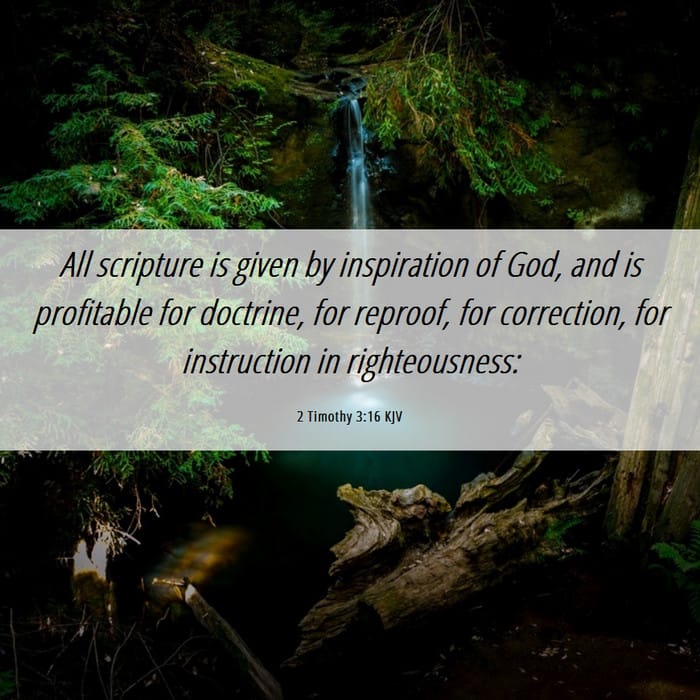
2 Timothy 3:16 KJV says:
“All scripture is given by inspiration of God, and is profitable for doctrine, for reproof, for correction, for instruction in righteousness:”
Scripture is sufficient to teach, correct, and guide the believer.
Test 7: Does It Draw Attention to Christ or to a Personality?
A faithful teacher points people to Jesus Christ and the Word of God.
⚠️ A dangerous teacher may draw people to themselves.
Warning signs include:
- Demanding unquestioned loyalty
- Discouraging questions
- Claiming special authority above correction
- Making followers dependent on them
- Using fear to control people
- Treating disagreement as rebellion against God
- Building a platform around personality more than Christ
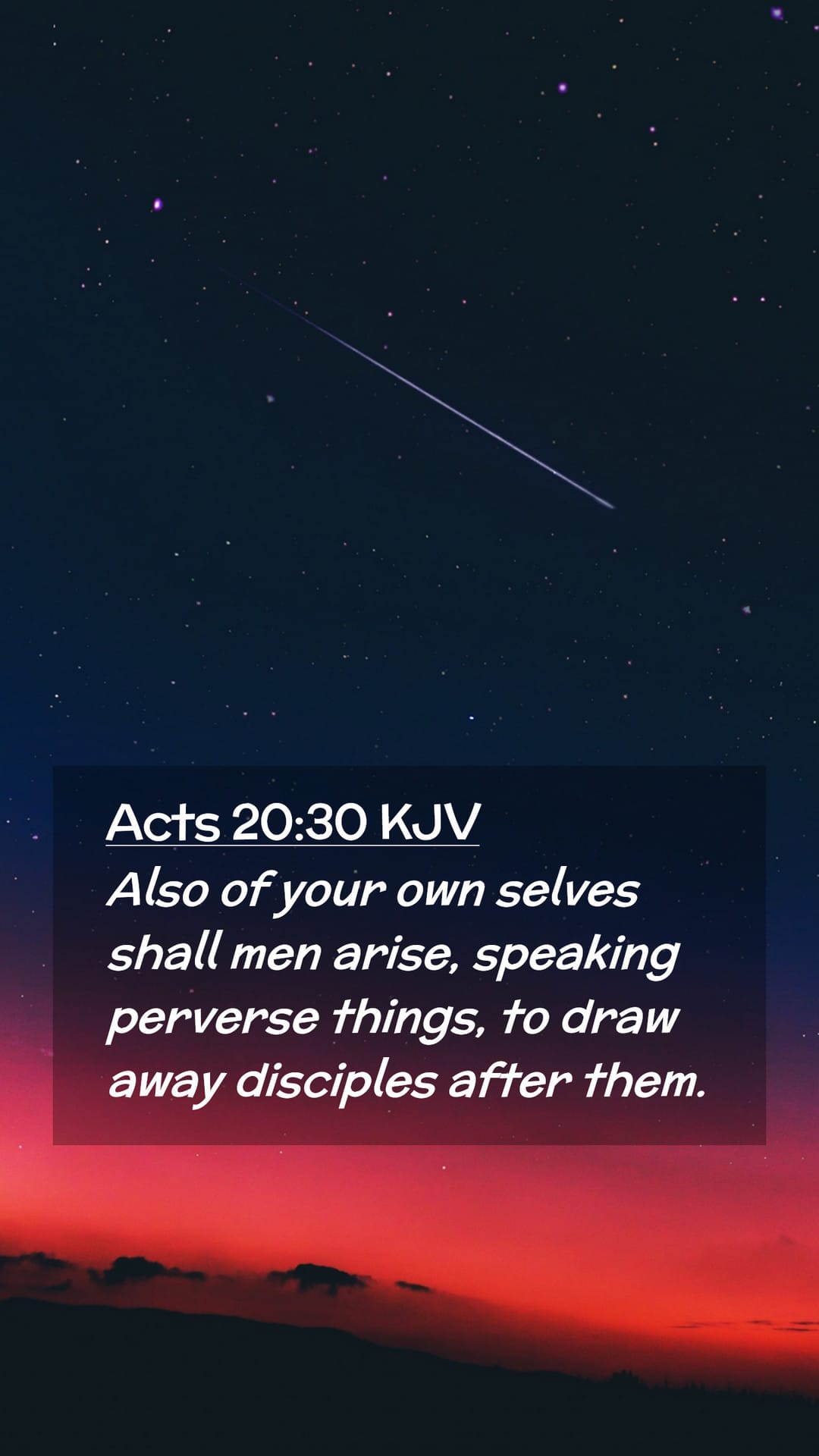
Acts 20:30 KJV says:
“Also of your own selves shall men arise, speaking perverse things, to draw away disciples after them.”
A true servant of God does not replace Christ. A true servant points people to Christ.
Test 8: Does It Agree With the Whole Counsel of God?
A false teaching may use one verse while ignoring many others.
Believers should compare Scripture with Scripture.
A teaching is dangerous if it:
- Uses grace to cancel holiness
- Uses love to cancel truth
- Uses faith to cancel wisdom
- Uses blessing to cancel suffering
- Uses liberty to cancel obedience
- Uses unity to cancel doctrine
God’s Word does not contradict itself. A faithful teaching will agree with the broader testimony of Scripture.
Discernment Must Be Practiced With Humility
Biblical discernment should not make believers proud, harsh, or careless with accusations.
💡 The goal is not to attack people. The goal is to remain faithful to truth.
A discerning believer should be:
- Humble
- Prayerful
- Teachable
- Careful
- Scriptural
- Slow to accuse
- Willing to receive correction
- Concerned for souls
- Faithful to Jesus Christ
💡 Discernment without love can become harsh. Love without discernment can become compromise.
👉 Believers need both truth and love.
Questions to Ask When Testing a Teaching
When you hear a sermon, prophecy, article, video, or spiritual claim, ask:
- Does this agree with Scripture?
- Is the Bible used in context?
- Does this exalt the true Jesus Christ?
- Does this preserve the gospel?
- Does this call people to repentance?
- Does this encourage holiness?
- Does this make Scripture the final authority?
- Does this produce good fruit?
- Does this glorify God or man?
- Does this lead to obedience or excuse sin?
- Does this create clarity or confusion?
- Does this point people to Christ or to a personality?
These questions help protect the heart from deception.
Conclusion: Prove All Things
1 Thessalonians 5:21 KJV says:
“Prove all things; hold fast that which is good.”
Believers are not called to accept every teaching blindly. They are called to test every message by Scripture.
Not every teaching that sounds spiritual is true.
Not every teacher who quotes the Bible teaches the Bible correctly.
Not every prophecy comes from God.
Not every experience should be trusted.
Not every popular message is faithful.
Not every message about love is rooted in truth.
The Word of God is the standard.
Search the Scriptures daily.
Test every spirit.
Hold fast to sound doctrine.
Reject what contradicts the gospel.
Remain humble and teachable.
Keep Jesus Christ at the center.
And hold fast to what is good.
Biblical discernment is not optional.
It is necessary for every believer who wants to remain faithful to the truth. 🙏